The beauty consultants bringing OLIVE YOUNG’s curation to life
 13min
13min
 AI Summary
This summary was generated by AI. Please refer to the full article for accuracy.
AI Summary
This summary was generated by AI. Please refer to the full article for accuracy.
OLIVE YOUNG’s beauty consultants turn product curation into personalized skincare and makeup guidance through consultation, skin analysis and hands-on techniques. Around 70 consultants have been trained, with 22 currently serving at OLIVE YOUNG Beauty Mansion Seongsu, while OLIVE YOUNG Beauty Lab supports their ongoing development. Their expertise is helping expand education-led services across stores and global customer experiences.
At OLIVE YOUNG, finding the right beauty product is only part of the experience.
For customers looking for more than a product recommendation, there are beauty consultants, specialists trained to understand a customer’s skin condition, preferences and concerns, then translate that understanding into personalized beauty solutions. Their role goes beyond pointing out what is popular. They help customers discover how to care for their skin, approach makeup and build a beauty routine that works for them.
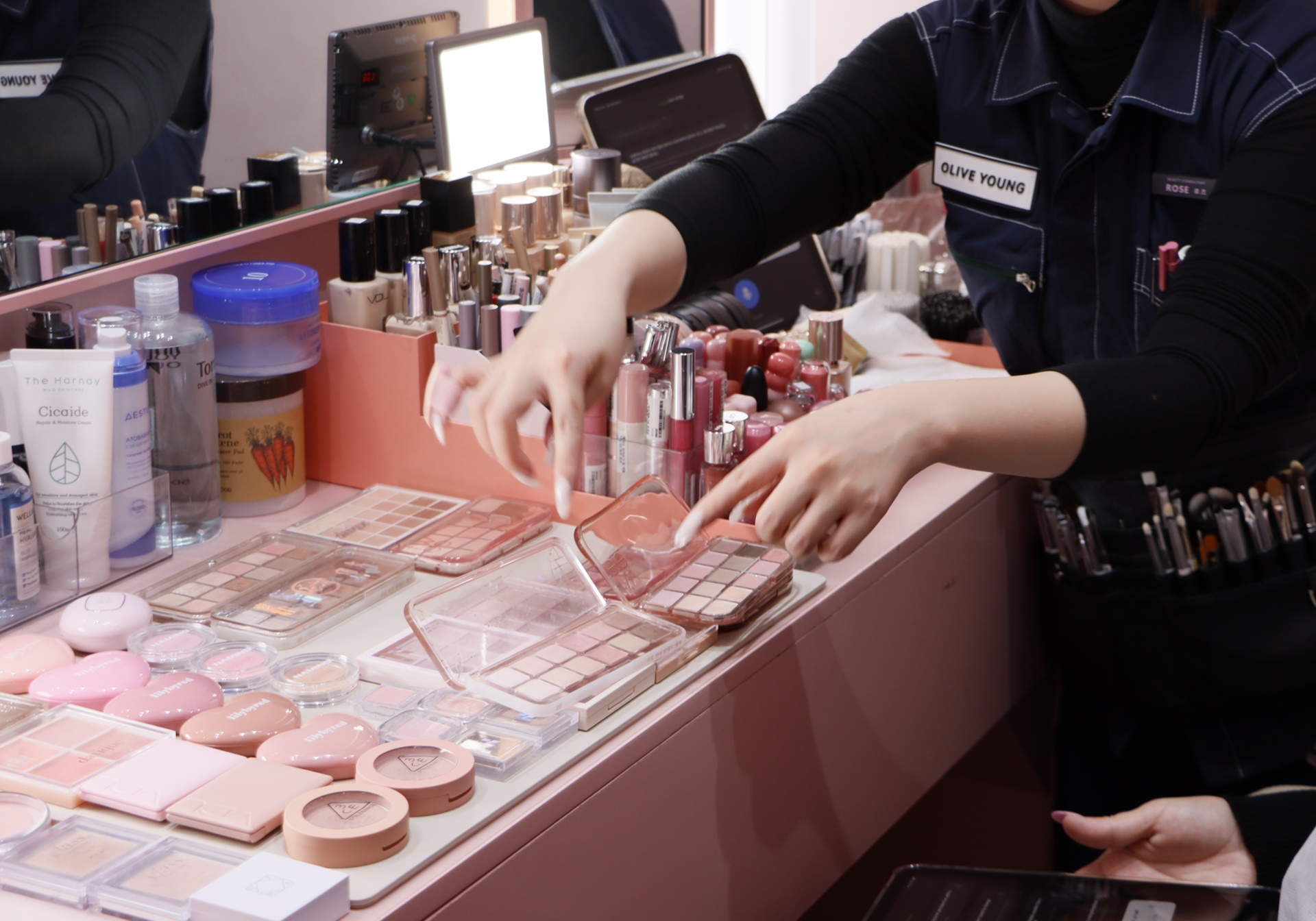
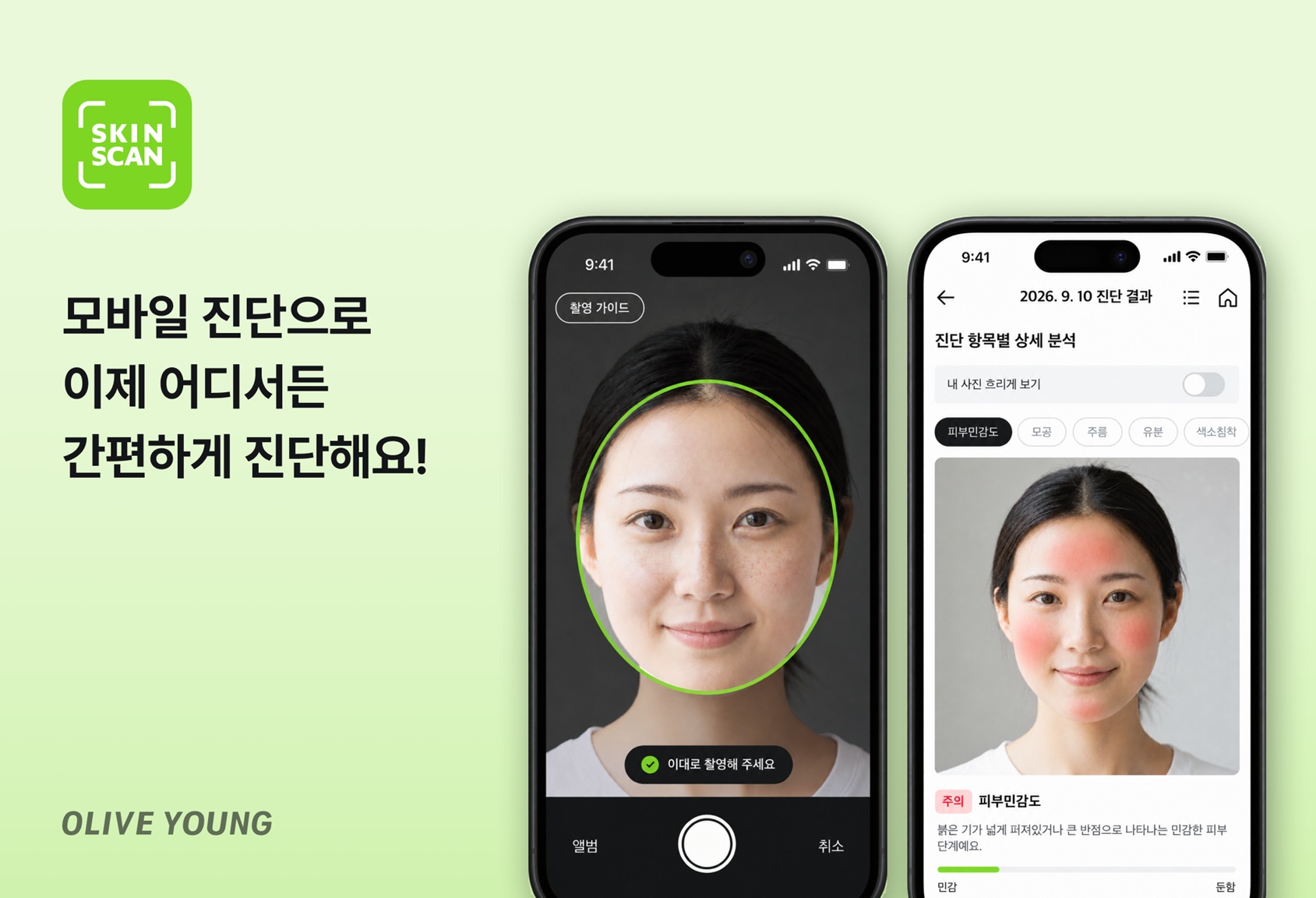
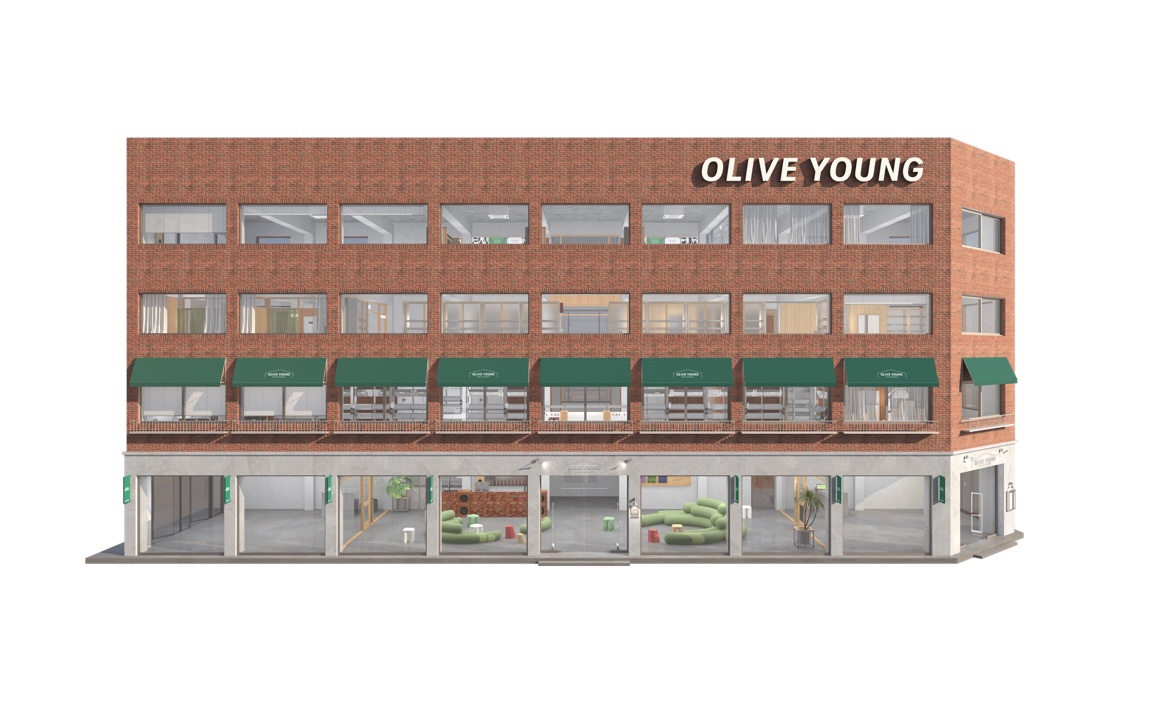
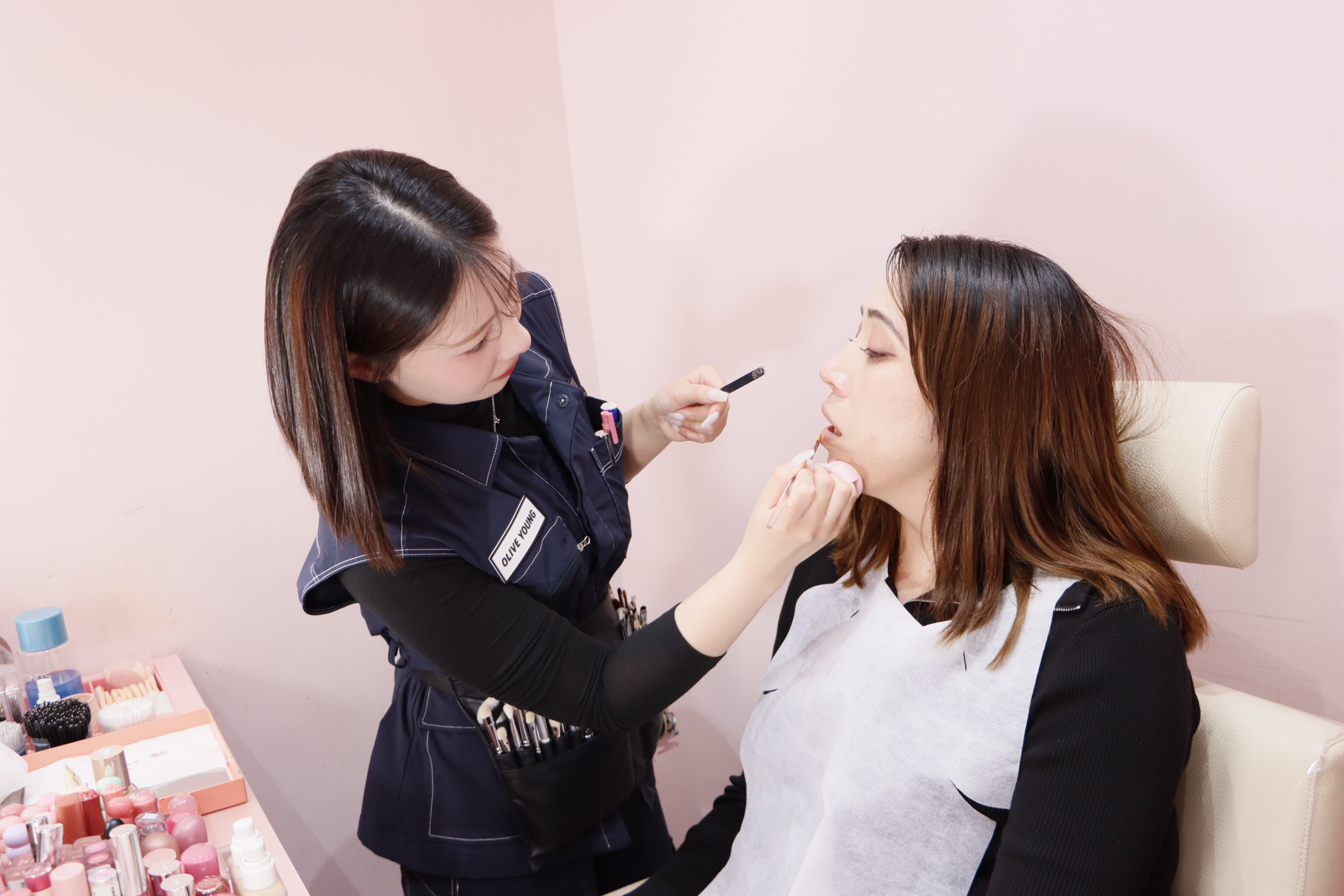
OLIVE YOUNG has trained around 70 beauty consultants to date, with 22 currently providing specialized services at OLIVE YOUNG Beauty Mansion Seongsu, a K-beauty experience-focused store. Using professional skin analysis devices, they assess skin conditions and recommend home-care routines, or consider a customer’s face shape and makeup concerns when teaching personalized makeup techniques.
To build that expertise systematically, OLIVE YOUNG opened OLIVE YOUNG Beauty Lab in Seongsu-dong, Seoul, in July. The dedicated training facility includes makeup and skincare practice rooms as well as classrooms, supporting everything from introductory training for new Beauty Consultants to advanced training for existing team members.
So what does it actually take to become one? We spent a day at Beauty Lab to find out.
Turning Bukchon, Cheongdam and Seongsu into makeup
The morning’s makeup class began with three unfamiliar names on the screen: Bukchon Veil, Cheongdam Blush and Seongsu Mood.
The three looks were developed for OLIVE YOUNG’s PICK YOUR VIBE full-makeup service this summer. Bukchon Veil centers on a fresh, clear pink look, Cheongdam Blush brings a more vivid, energetic color palette reminiscent of idol or bridal makeup, while Seongsu Mood leans into nude tones, shading, defined lashes and fuller lips. But memorizing the three looks is not the point.
“What would you recommend to a customer with a winter deep palette who wants something natural?”
“What if a warm-toned customer asks for Bukchon Veil?”
“What if they cannot decide which of the three themes suits them?”
There is no single correct answer. Consultants must first understand a customer’s personal color, usual makeup style and desired mood, then adjust the colors and techniques within each theme. Instead of deciding that ‘pink makeup won’t suit you,’ for example, they might explain the fresh, clear effect of the look and reinterpret it using a shade that better complements the customer.
The idea is simple: Don’t just copy a trend, but translate it for the person in front of you. This is one of the first principles beauty consultants learn.
How do you explain “jelly-gloss” lips?
The same approach applies to Quick Touch-Up, a service focused on one area, which includes the choice of the lips, eyes, base or brows, with a trend-led makeup look and practical tips.
In lip makeup, that currently means learning how to create a glossy, “jelly” finish. For eyes, the training covers the use of cool blue tones, while base makeup focuses on creating a translucent blush effect that appears to diffuse softly beneath the cheekbones.
“If a customer chooses lip makeup, what should you do first?”
The answer is not to immediately reach for a product. First, explain the trend and find out whether the customer wants to recreate the look as is, or has a specific concern they would like to address. If overlining feels difficult, the consultant can demonstrate how to use a lip pencil. If the customer is concerned about their lip shape, they can show how to subtly define the contours.
The role is to explain what is happening in beauty right now, make the trend accessible, and adapt it to the customer’s individual preferences and concerns.
The power of role-playing
After the theory session, the trainees paired up, where one became the beauty consultant, while the other became the customer.
“What kind of makeup do you usually wear?”
“What products are you using now?”
“Is there anything you would like to cover or focus on today?”
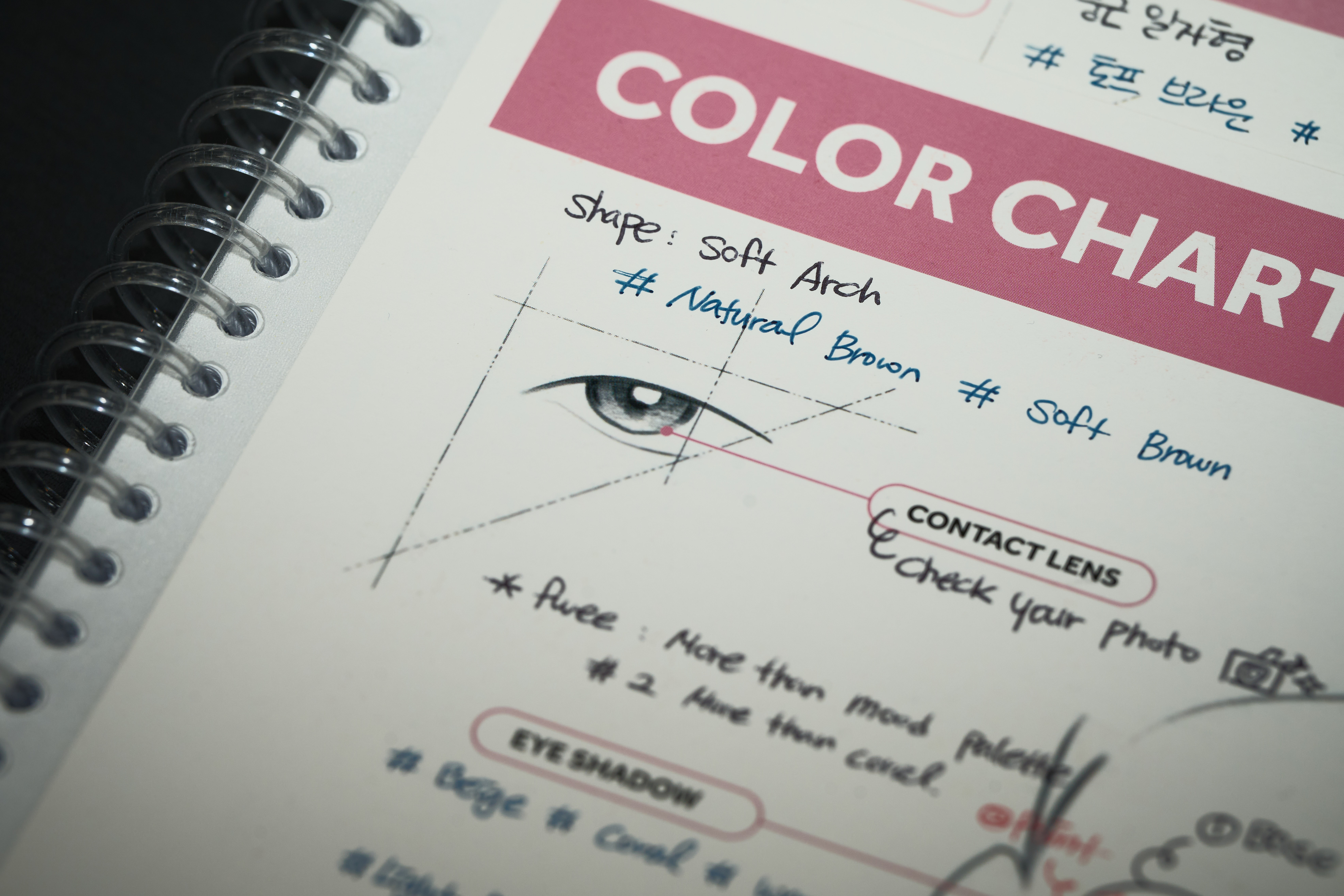
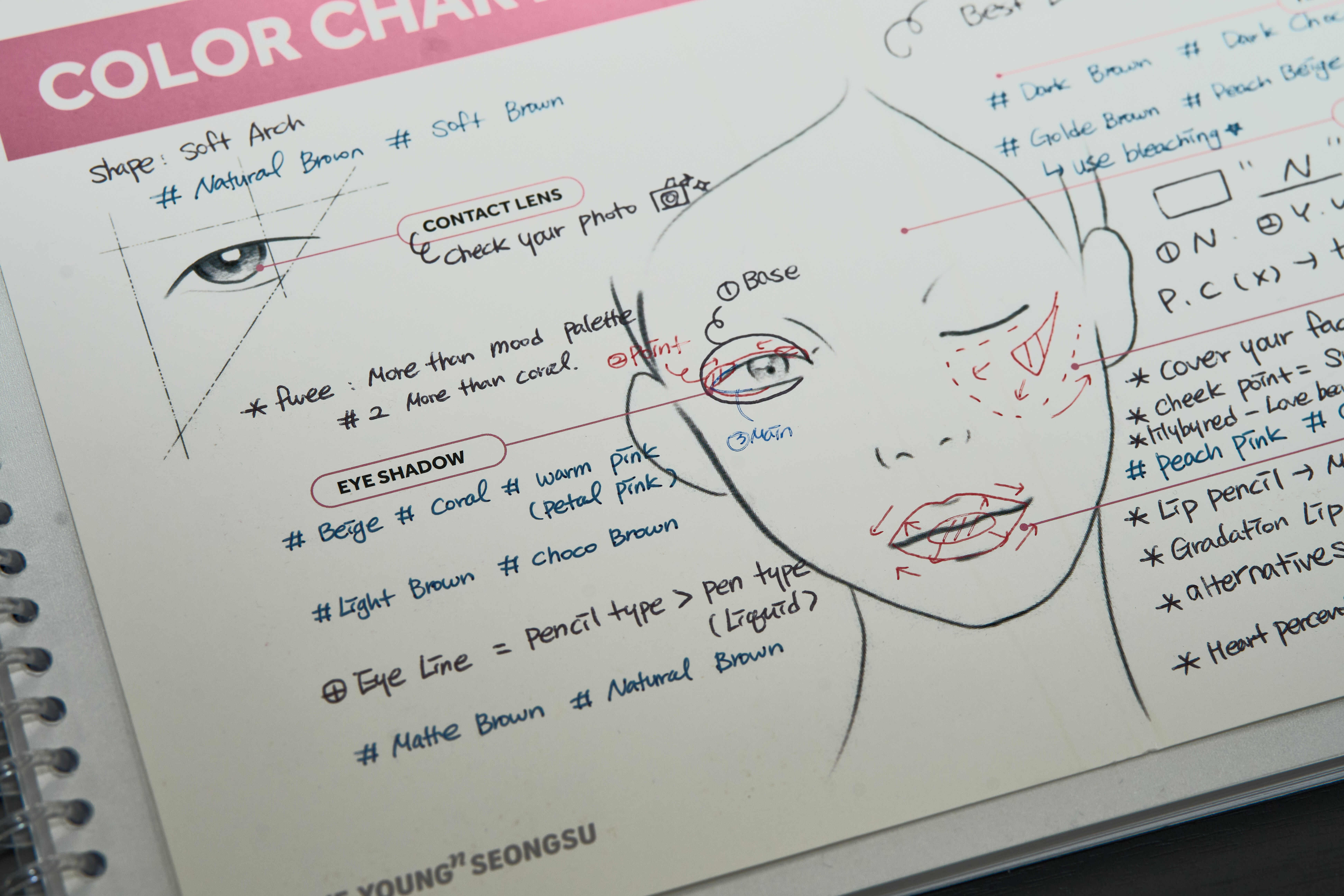
One important rule during these practice sessions is to treat your partner as a real customer. If the service is designed to take 15 minutes, the consultation and makeup need to be completed within that time. For a full-makeup service, trainees also finish by creating a face chart documenting the products used and how they were applied. The goal is to give customers something they can refer back to at home and recreate on their own.
For international customers, the face chart is written in English. A customer may take a photo of the back of a product, but if they cannot read Korean, it may be difficult to identify the product later. Even small details like this become part of the training.
Do you have to be a makeup pro?
Does becoming a beauty consultant require being a beauty expert from day one or having a natural talent for makeup? Not necessarily.
Relevant certifications are not a prerequisite, and while some team members come in with experience in makeup or skincare, others learn their professional skills after becoming beauty consultants.
Before working in stores, new beauty consultants undergo approximately one month of intensive training in each of the skincare and makeup disciplines. They come to Beauty Lab every day, working through theory, hands-on practice and customer-service scenarios. And the learning does not stop when formal training ends.
Trainees often stay behind to practice skills they find challenging, from applying false lashes to using an eyelash curler. Some pursue professional certifications or form study groups. As of the latest count, more than half of OLIVE YOUNG’s makeup-focused beauty consultants hold a cosmetology license.
You do not have to be a natural. What matters is having an interest in beauty and a willingness to keep learning. The rest can be built through training and repetition.
There’s a reason behind every pore
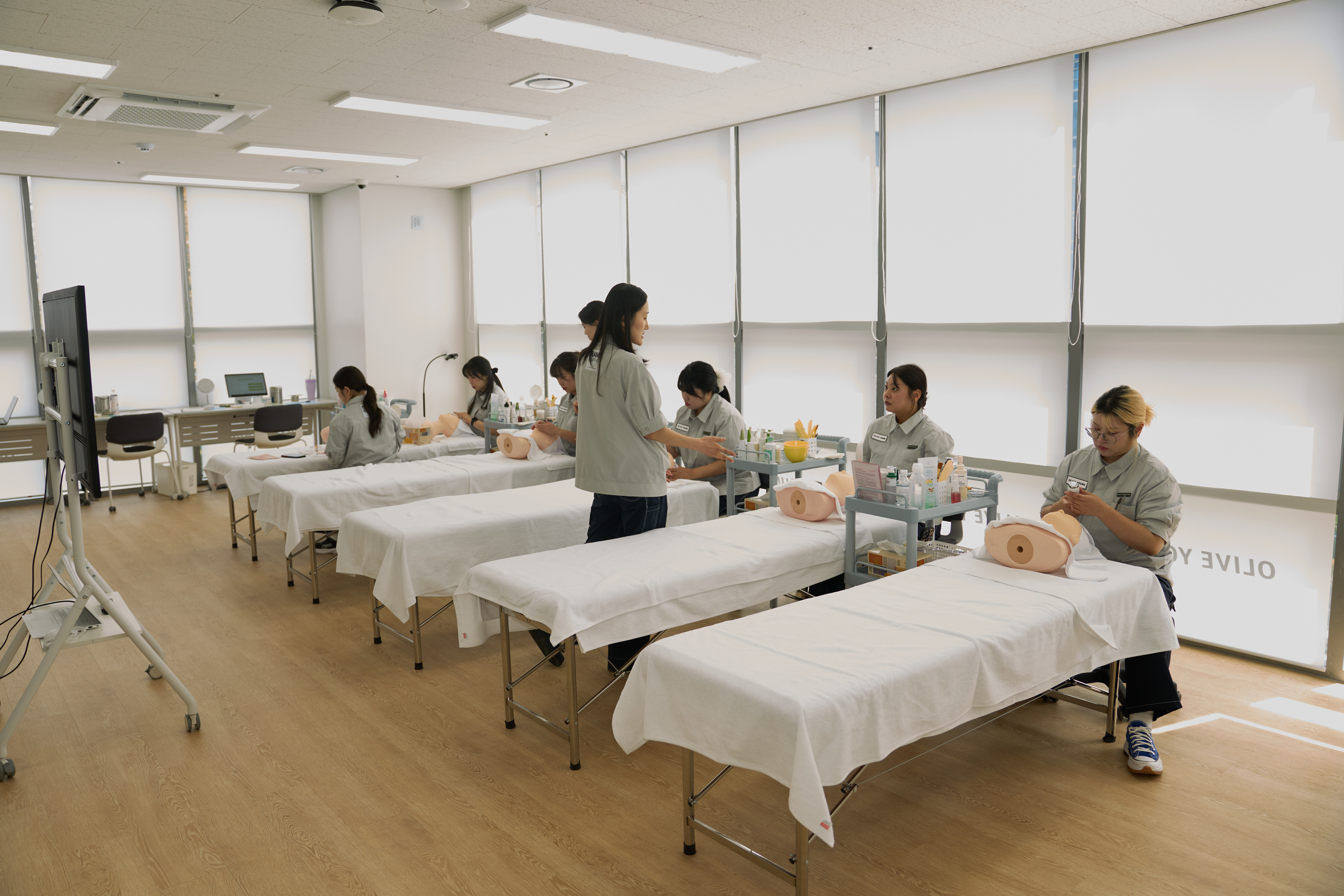
Next door, the mood in the skincare practice room is different. Trainees use professional skin analysis devices to scan one another’s faces, revealing data on everything from pores to overall skin condition. But the device does not provide every answer.
Even when a customer says their pores are the main concern, the underlying cause can vary. A consultant needs to determine whether the issue is related to excess sebum or skin laxity associated with aging, then consider what ingredients may or may not be appropriate for sensitive skin.
One of the key services trainees learn is Home Care Lesson, a 50-minute consultation built around professional skin analysis. Consultants assess the customer’s skin type and concerns, then work with them to create a personalized product selection and self-care routine. Lessons are tailored to concerns ranging from hydration and soothing to dark spots, pores, nourishment and elasticity.
Some team members are very interested in ingredients but lack the foundational knowledge. Recommending the wrong ingredient can actually make sensitive skin worse, so we teach them in detail, from ingredient names and their benefits to how to identify potential ingredient conflicts.”
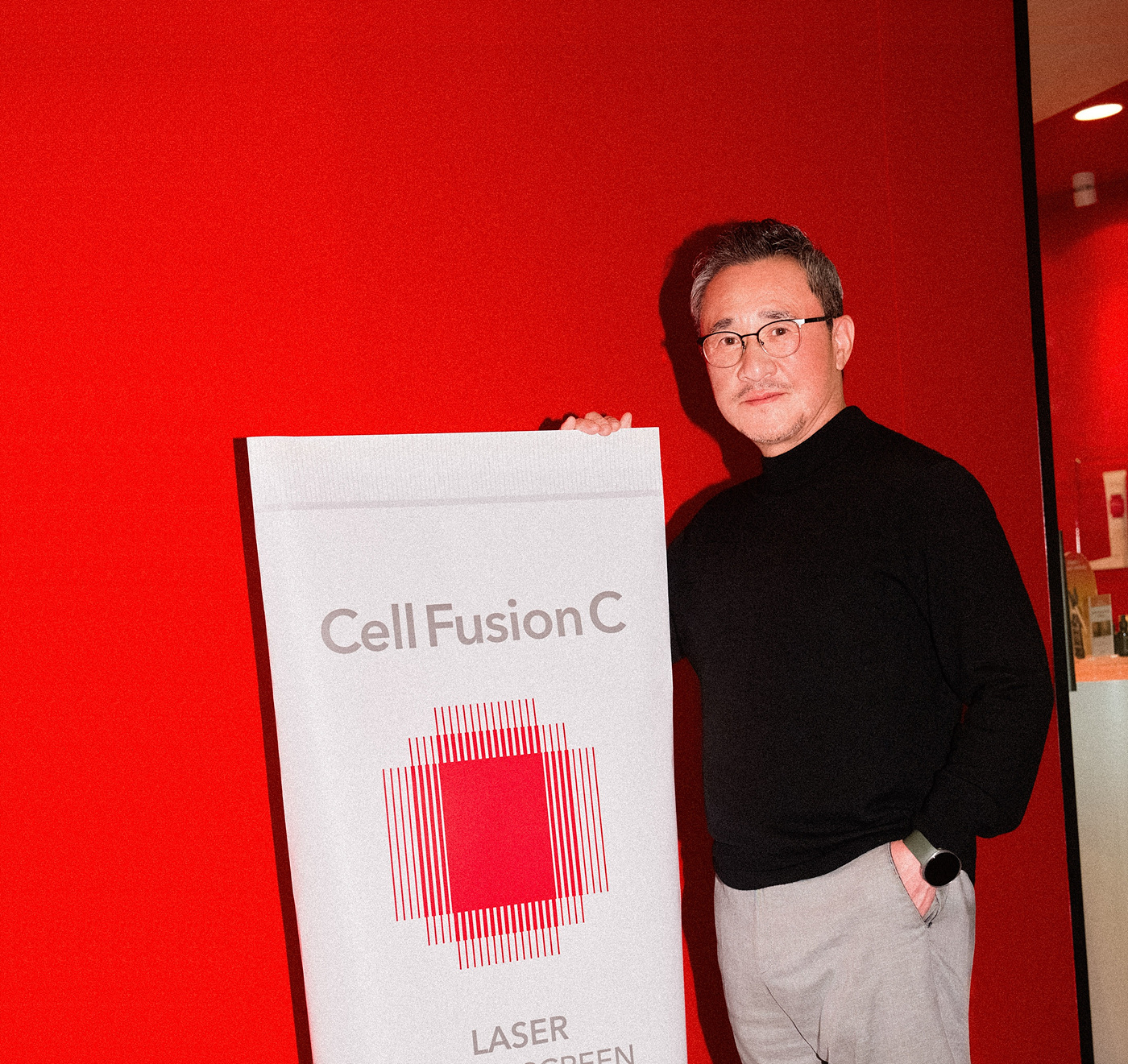
— Su-Mee Chun, beauty consultant and skincare training instructor
The device may show what is happening on the skin. Interpreting those results, and turning them into practical care and product recommendations, is where the beauty consultant comes in.
Bridging the gap between the textbook and the store
What happens when a customer becomes interested in a product during a consultation?
What if the consultant’s recommendation differs from what the customer actually wants?
Real customers rarely follow a script. That is why Beauty Lab training also covers unexpected situations and different types of customer requests. The role-playing sessions are designed for exactly this. Trainees practice not only the prescribed service flow, but also how to respond when a conversation takes an unexpected turn.
Working with international customers requires another layer of preparation. Consultants learn not just how to explain services in English, but how certain expressions may be interpreted differently across cultures and how to use appropriate English when discussing personal color and skin tone.
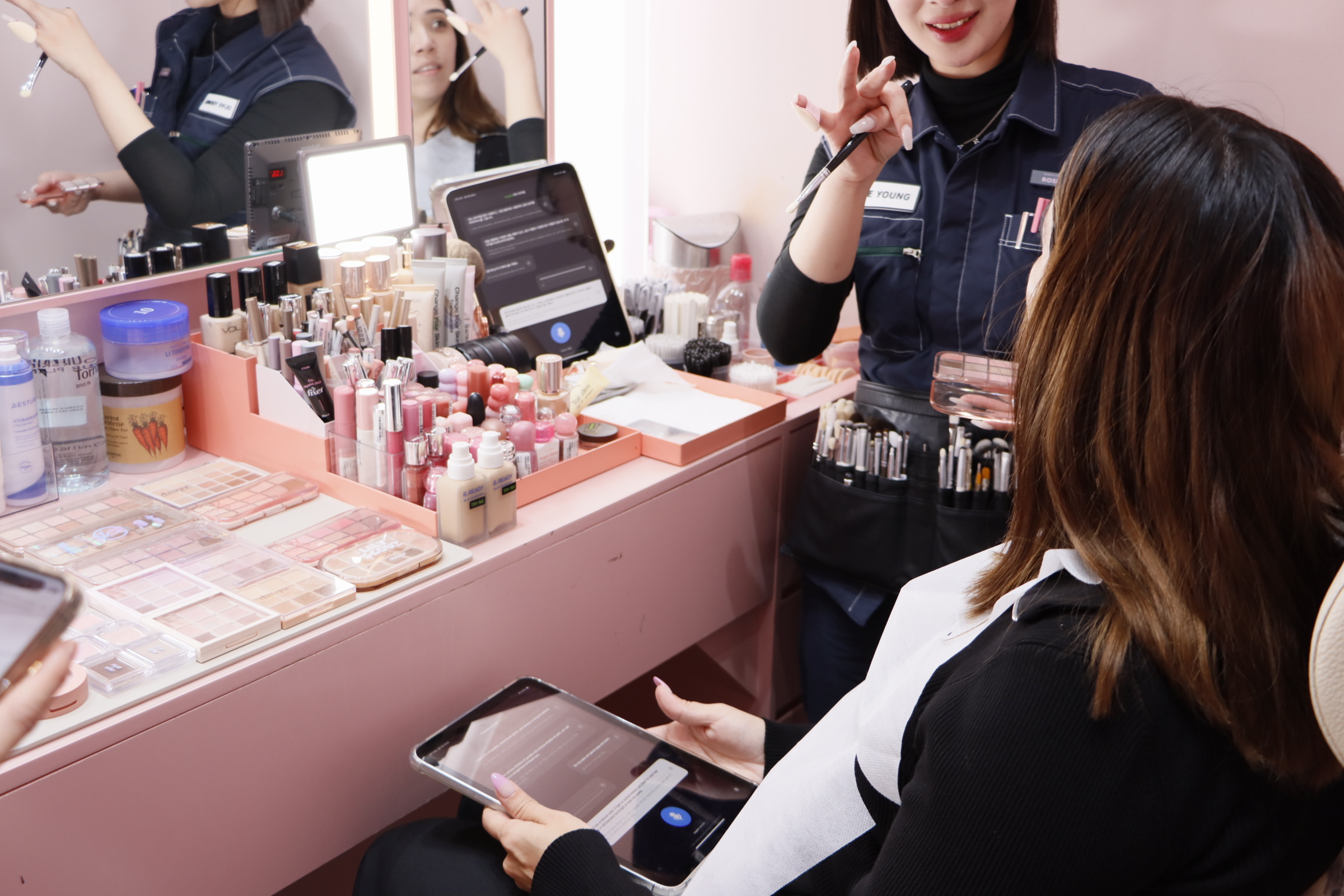
At OLIVE YOUNG N Seongsu, international customers account for more than half of users of some Beauty Care services. As of May 2026, international customers represented approximately 64% of users of Find Your Color and approximately 54% of users of the Men’s Brow Bar.
Training continues after consultants move into stores, too. Regular job training keeps them up to date on rapidly changing beauty trends, products and ingredients, while Beauty Lab also serves as a testing ground where new services can be practiced and refined before being introduced in stores.
Why OLIVE YOUNG is building beauty expertise
Product curation has long been one of OLIVE YOUNG’s defining strengths. But in a physical store, there is another layer to curation: helping customers make sense of what is in front of them.
Among thousands of beauty and wellness products, curation determines what deserves a place on the shelf. Beauty consultants take that one step further, meeting customers face-to-face and using professional knowledge, diagnosis and consultation to help shape the experience around the individual.
In that sense, OLIVE YOUNG’s retail experience is expanding beyond what to offer to how customers experience what is offered. Online, customers can search through vast amounts of product information, reviews and purchase data to quickly find what they are looking for. In a physical store, they can touch and try products, speak with an expert and sometimes discover concerns or preferences they had not even considered.
Here, beauty consultants not only help a customer choose a product for themselves, but connect their knowledge with the customer’s individual needs and help turn that encounter into a more personal beauty routine.
Their role is also set to expand. Until now, beauty consultants have primarily provided specialized beauty care services in larger stores. Going forward, they will also share their expertise and service know-how with other store employees, helping raise the level of service expertise across the broader retail network.
That expertise is increasingly relevant as OLIVE YOUNG expands its global presence. As customers around the world gain access to more K-beauty products and information online, the value of an in-person experience lies in being able to try products, ask questions and understand what works for them. At OLIVE YOUNG’s U.S. stores, services ranging from skin and scalp analysis to product demonstrations and usage guidance are already becoming part of the discovery- and education-led shopping experience.
The future of beauty retail is not simply about putting the right products on the shelf. It is about helping customers understand what they need, discover what suits them and leave with something they can actually make part of their routine.
That is why OLIVE YOUNG continues to invest in beauty consultants. And at Beauty Lab, the work begins the same way it does in the store: with a question, a conversation and another chance to practice finding the right answer.