Where will the next wave of K-beauty growth in the U.S. come from?
 11min
 AI Summary
This summary was generated by AI. Please refer to the full article for accuracy.
U.S. K-beauty sales reached $2.8 billion in the 52 weeks ending March 21, 2026, but the category still has room to expand beyond its skincare stronghold. OLIVE YOUNG is building connections with American consumers through stores, its online shop, FESTA, and Sephora, helping turn product discovery and Korean beauty culture into everyday purchasing routines.
“Now, Americans won’t have to travel far to find the best in K-beauty.”
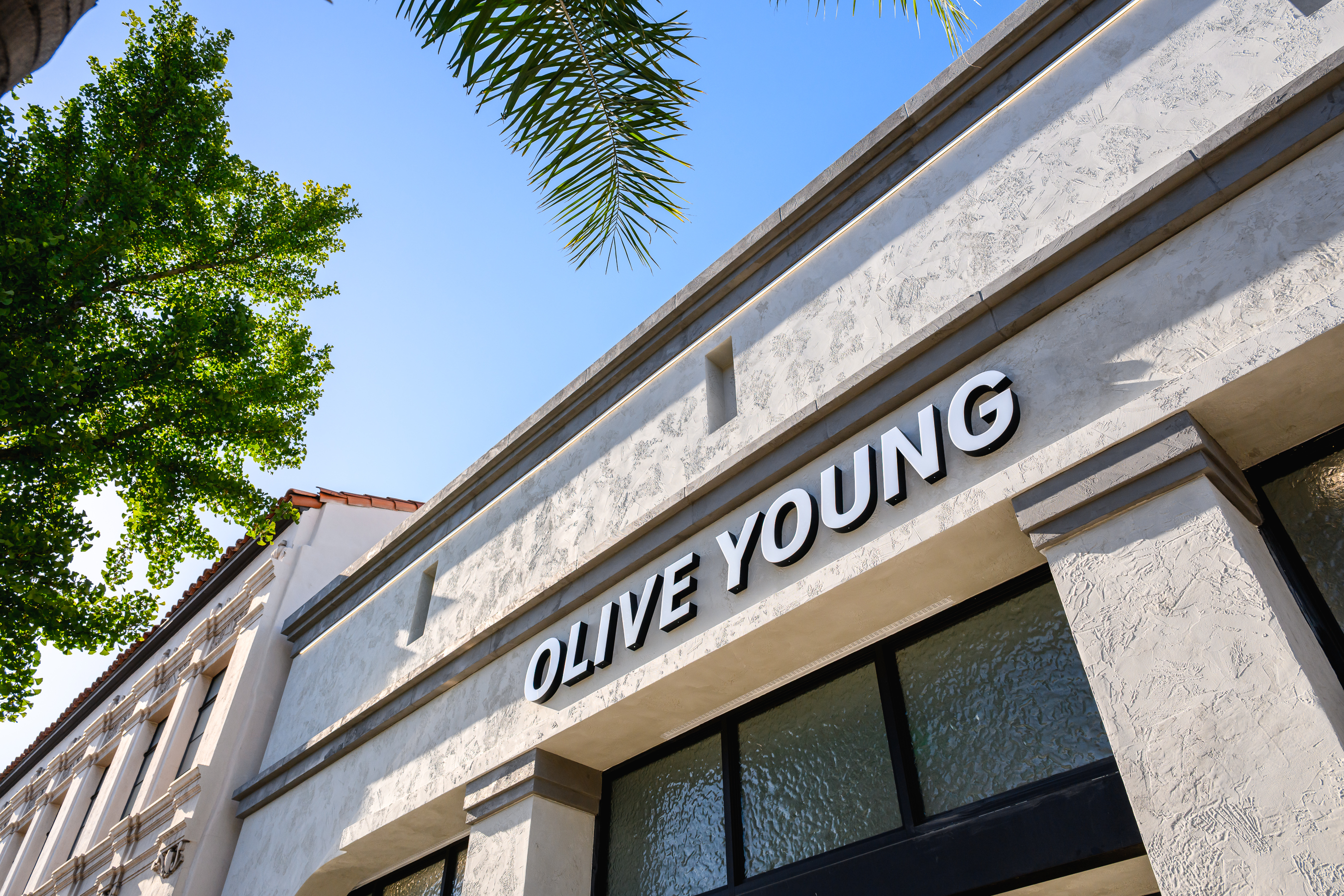
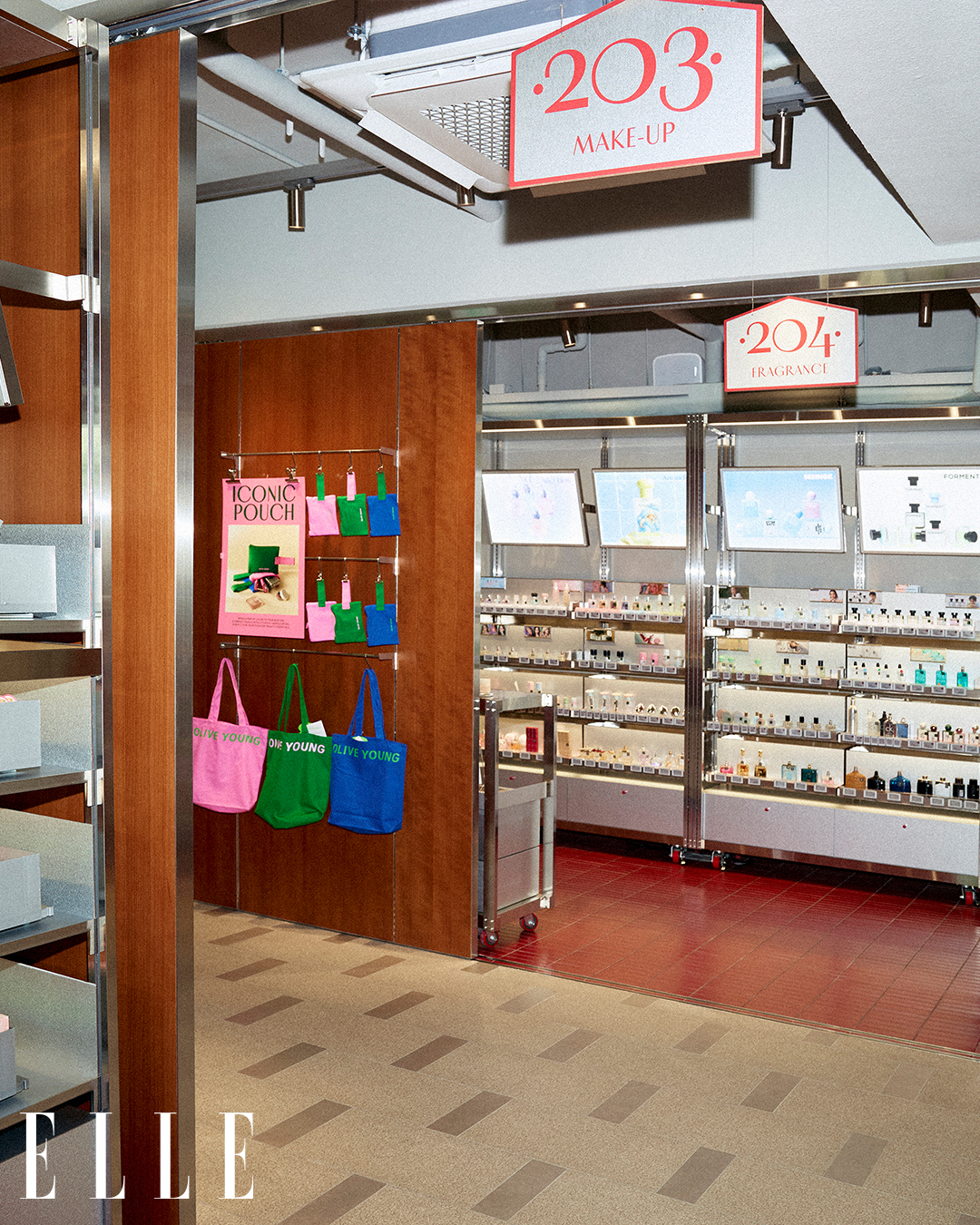
That was how The Wall Street Journal described OLIVE YOUNG’s first U.S. store opening in May. K-beauty products that American shoppers once discovered during trips to Korea and packed into their suitcases are becoming increasingly accessible closer to home.
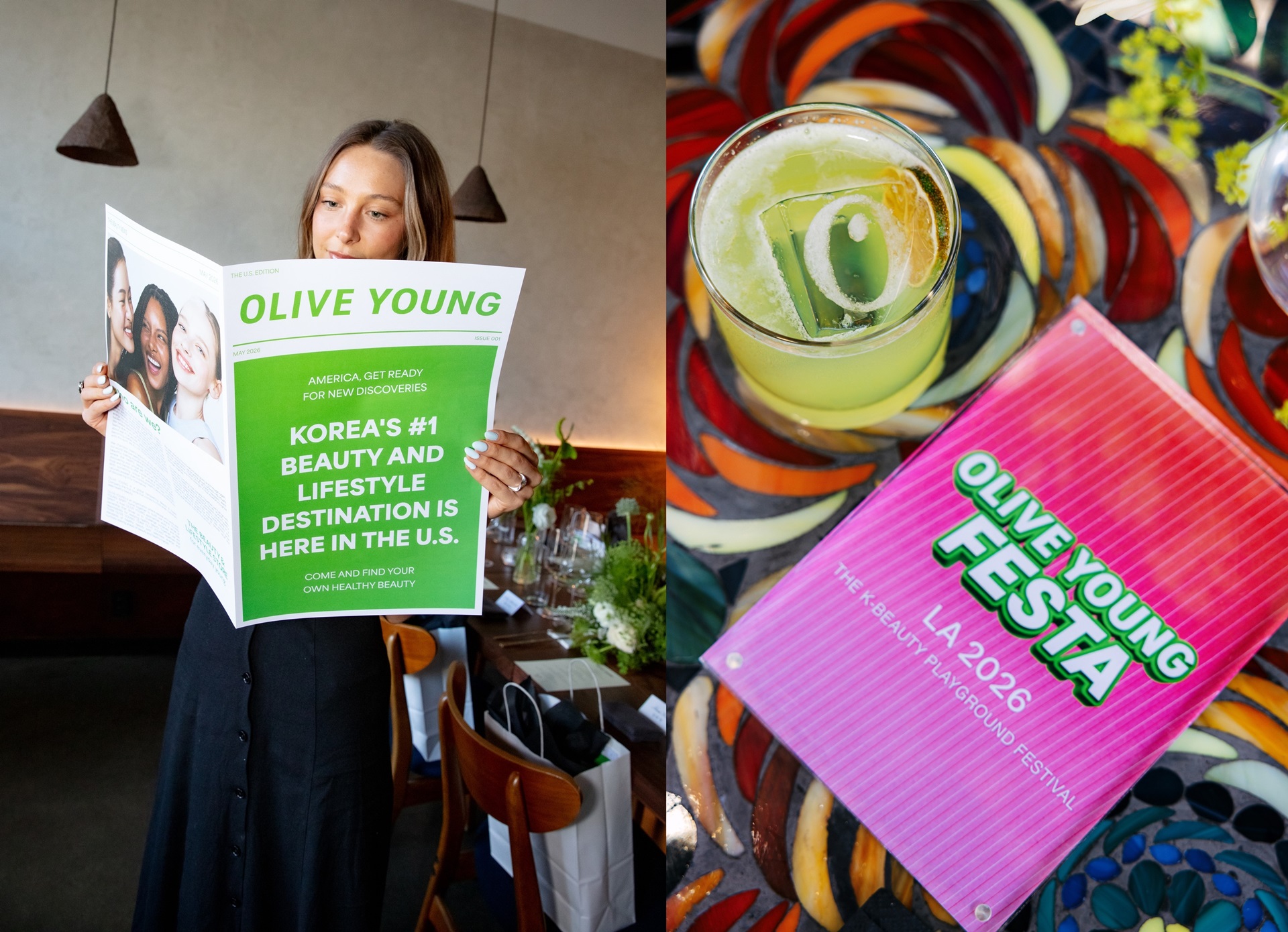
This year, OLIVE YOUNG opened its first two stores in California and launched a dedicated U.S. online store. It also brought OLIVE YOUNG FESTA to Los Angeles for the first time and expanded its reach through a partnership with Sephora, introducing its curated selection of Korean beauty brands to consumers across the country.
Local media have seen these developments as more than an expansion of retail locations. They point to a broader shift: the experience of discovering new beauty brands, trying products firsthand, and building a personal routine in Korea is finding a new audience in the United States.
From physical stores and online shopping to experiential events and retail partnerships, each touchpoint raises a larger question: How can growing interest in K-beauty translate into everyday purchasing habits?
A fast-growing market with room to grow
In August, U.S. beauty trade publication Beauty Independent covered OLIVE YOUNG FESTA in Los Angeles, highlighting both the rapid growth of K-beauty and the increasingly competitive landscape surrounding it.
According to NielsenIQ data cited in the article, U.S. K-beauty sales reached $2.8 billion in the 52 weeks ending March 21, 2026, up 48.1% year over year. The market has more than doubled from $1.3 billion just two years earlier.
Despite this momentum, K-beauty still accounts for a relatively small share of the broader beauty retail market. In an analysis of first-quarter trends this year, market research firm Circana put K-beauty's share at 3% of prestige beauty retail and 6% of mass beauty retail. These figures refer to two distinct retail segments, rather than K-beauty's share of the entire U.S. beauty market. They suggest there is still significant room for K-beauty to reach a broader consumer base.
There are also signs that initial curiosity is translating into repeat purchases. According to a July report from consumer data company Numerator, the percentage of U.S. households that had purchased K-beauty rose from 8% in 2020 to 25% in 2026, while the repeat-purchase rate climbed from 26% to 48% over the same period. The opportunity is twofold: attracting new customers while becoming a more established part of existing customers’ routines.
More than products: Bringing Korea’s beauty shopping culture to the U.S.
BeautyMatter highlighted OLIVE YOUNG’s U.S. festival debut as an example of how the retailer is bringing not only Korean products but also the culture of discovering and experiencing beauty to American consumers.
This offers a useful lens through which to understand OLIVE YOUNG’s U.S. business. In Korea, OLIVE YOUNG is a place where shoppers can pick up everyday essentials while discovering new brands and emerging trends. They can test unfamiliar products, explore ingredients and application techniques, and find products that suit their individual preferences. Recreating that experience in the United States requires more than bringing the right products to market. Assortment, store design, and customer services all play a role in shaping what shoppers discover and learn along the way.
OLIVE YOUNG’s U.S. stores and FESTA bring its approach to product curation and experiential retail, developed in Korea, to local consumers. For brands, these touchpoints offer opportunities to see how shoppers respond to their products firsthand. For consumers, they create opportunities to explore unfamiliar products and better understand what works for them.
More than 100,000 visitors discover new brands at FESTA
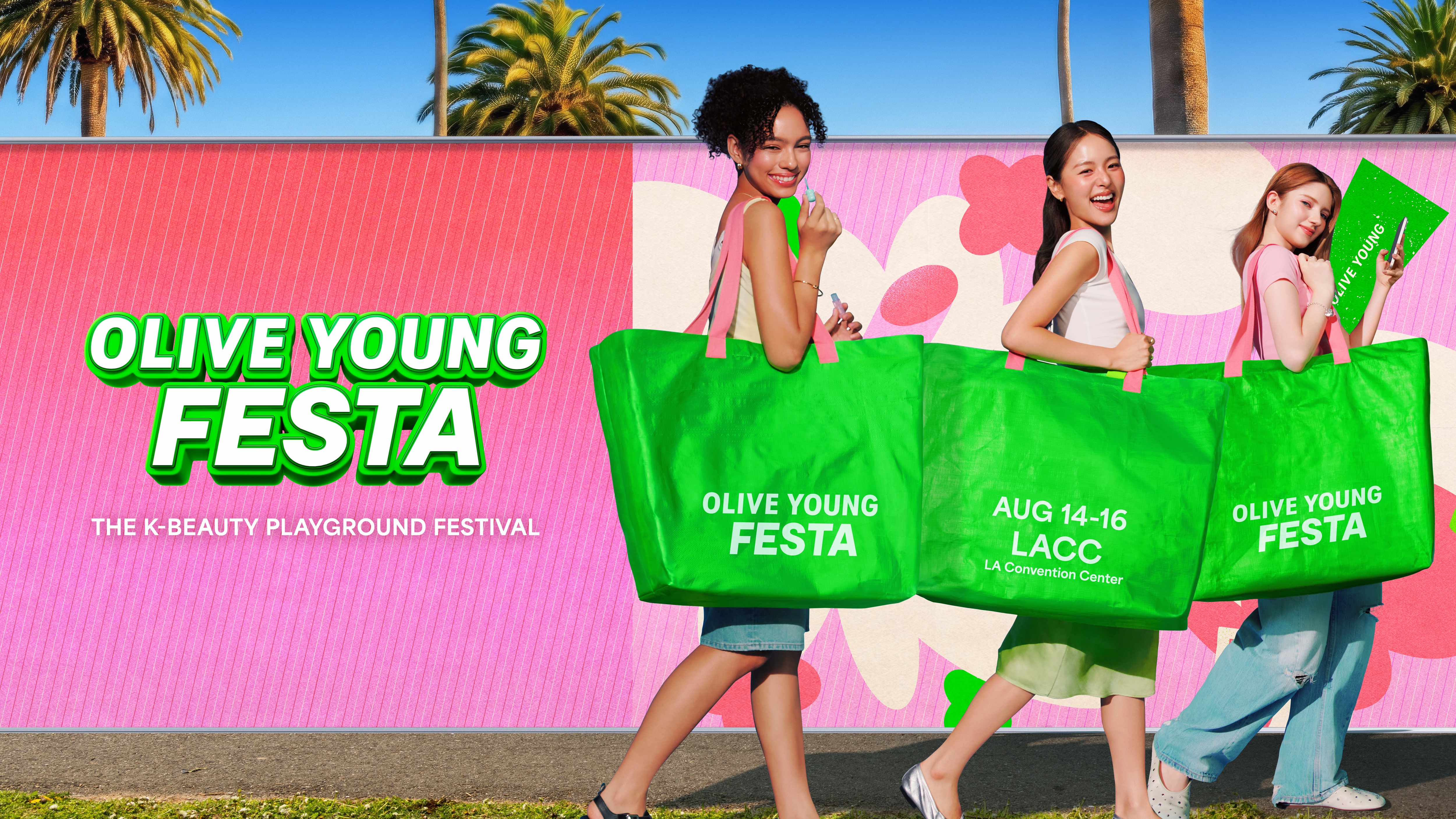
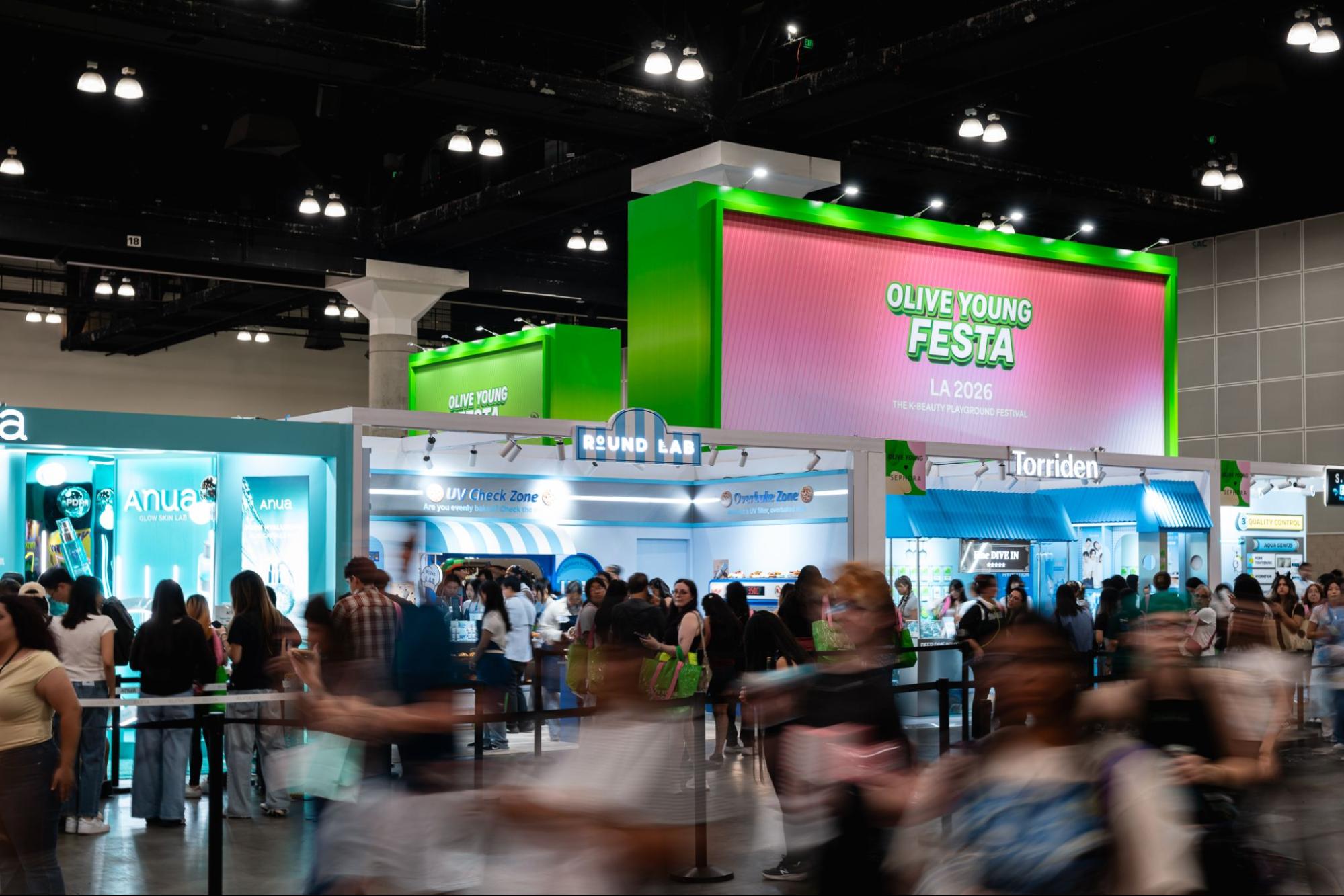
Held August 14-16 alongside KCON LA, OLIVE YOUNG FESTA LA 2026 welcomed more than 100,000 visitors. Inspired by Seoul neighborhoods including Seongsu, Gangnam, Hongdae, and Myeongdong, the event offered an immersive introduction to a wide range of Korean beauty brands.
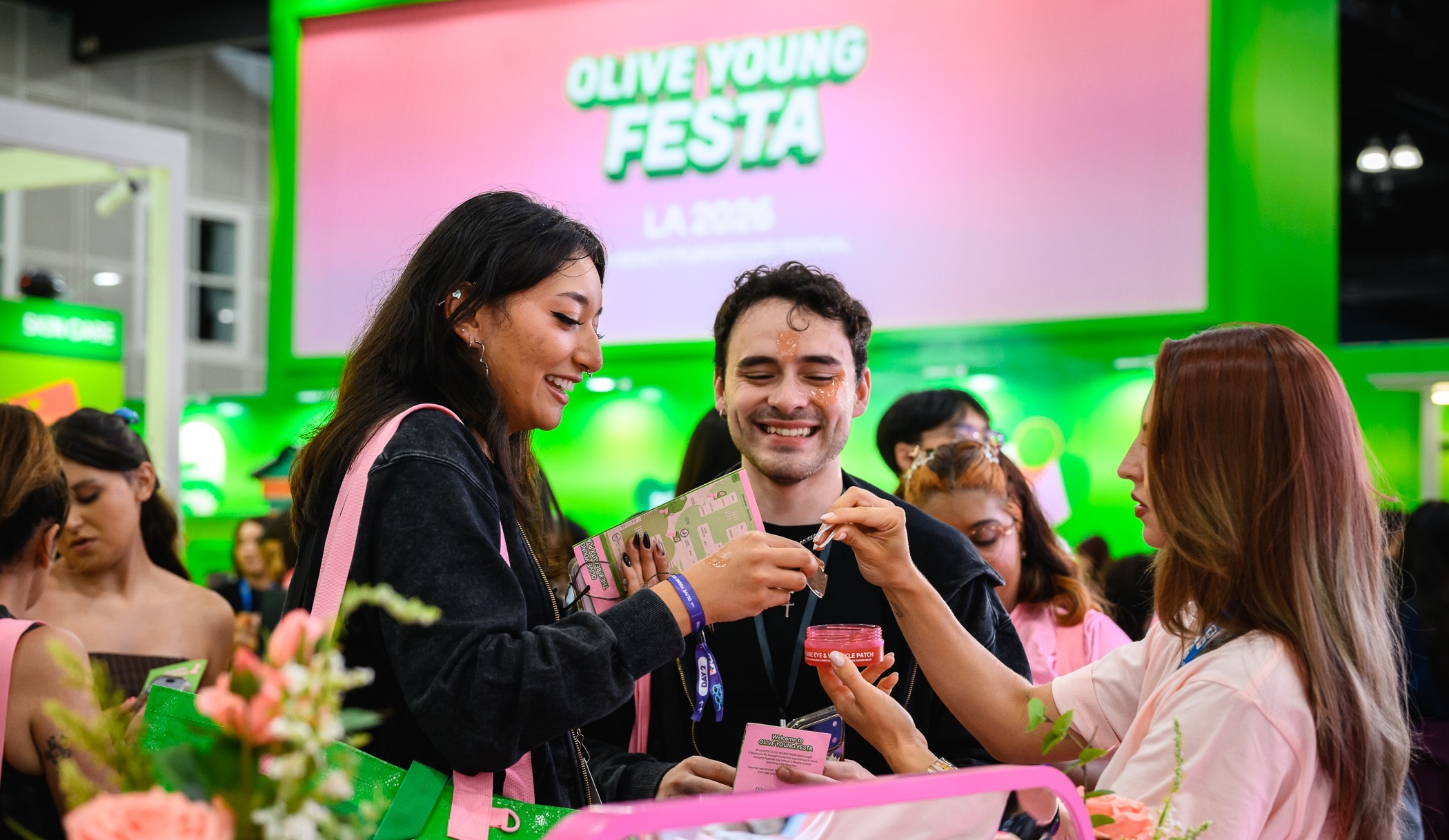
Beauty Independent captured visitors spanning generations taking part in product trials and interactive activities. Comments from OLIVE YOUNG representatives featured in the article also highlighted how visitors spent time exploring unfamiliar brands and products, rather than gravitating exclusively toward names they already knew.
The connection with KCON LA created another opportunity for discovery. For consumers already drawn to Korean music, fashion, and lifestyle, the festival offered a natural way to explore beauty as part of a broader cultural experience, turning curiosity about Korea into interest in new products.
Turning festival discoveries into everyday choices
Discovery at a festival can be the beginning of a longer relationship with beauty. Right after visiting Korea, Allure Shopping Director Shanna Shipin stopped by OLIVE YOUNG’s Pasadena store and described the retailer as an “engine of K-beauty discovery.” Her observation points to a compelling reason to visit: the opportunity to explore brands and products shoppers might not otherwise encounter.
Even as beauty products become available through an increasingly wide range of retail channels, the in-store experience remains valuable. Shoppers can compare products, ask questions, and find options that suit their individual needs.
Opened in May, OLIVE YOUNG’s first U.S. store in Pasadena offers AI-powered skin and scalp analysis services, spaces where customers can try products on their skin and wash them off, and skincare lessons at THE BEAUTY LAB. These experiences help shoppers learn more about their skin and scalp while exploring products and routines suited to their concerns.
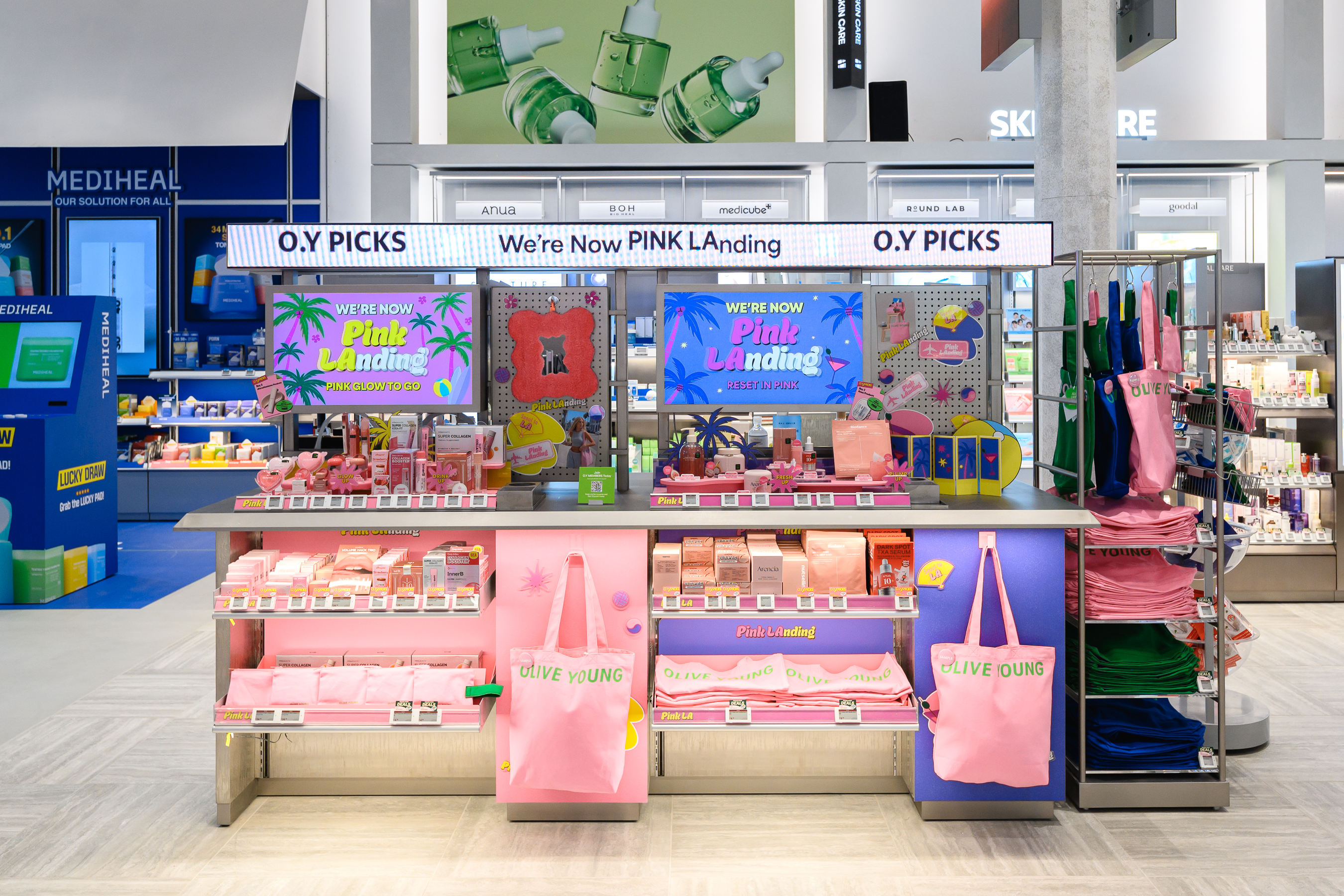
As new products continue to enter the market, helping consumers navigate their choices becomes increasingly important. This is where OLIVE YOUNG’s retail expertise, built through discovering a wide range of brands in Korea and observing how customers respond to them, can play a role in the U.S. market.
When customers can discover a product in-store, try it for themselves, and conveniently repurchase the ones they love through the online store, a single experience can become part of an everyday routine.
OLIVE YOUNG’s curation reaches shoppers through Sephora
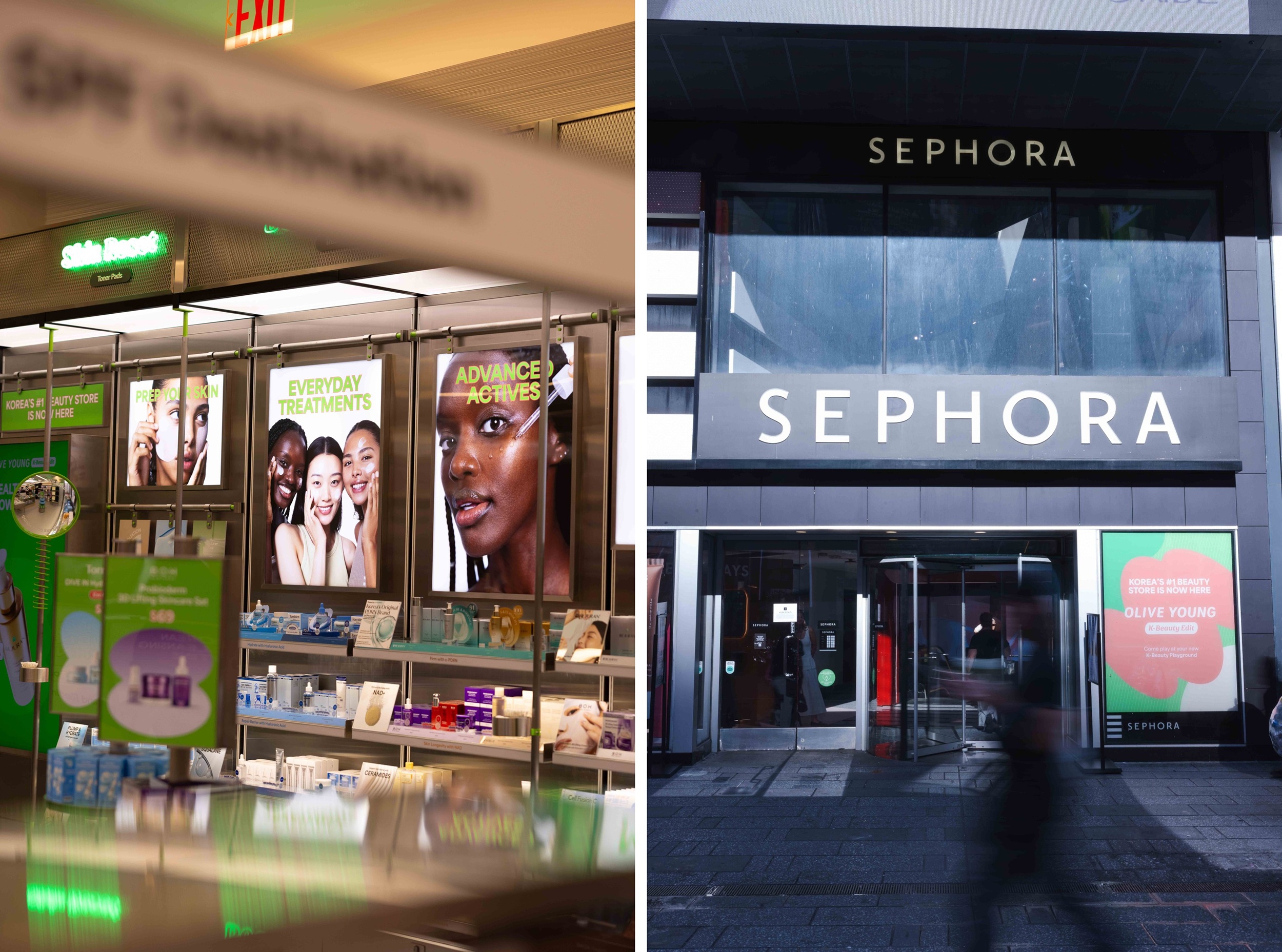
Allure also covered the partnership between Sephora and OLIVE YOUNG, drawing attention to a curated selection informed by the products Korean consumers actually choose and love. The collaboration gives U.S. shoppers a more accessible way to discover brands that have gained popularity in Korea.
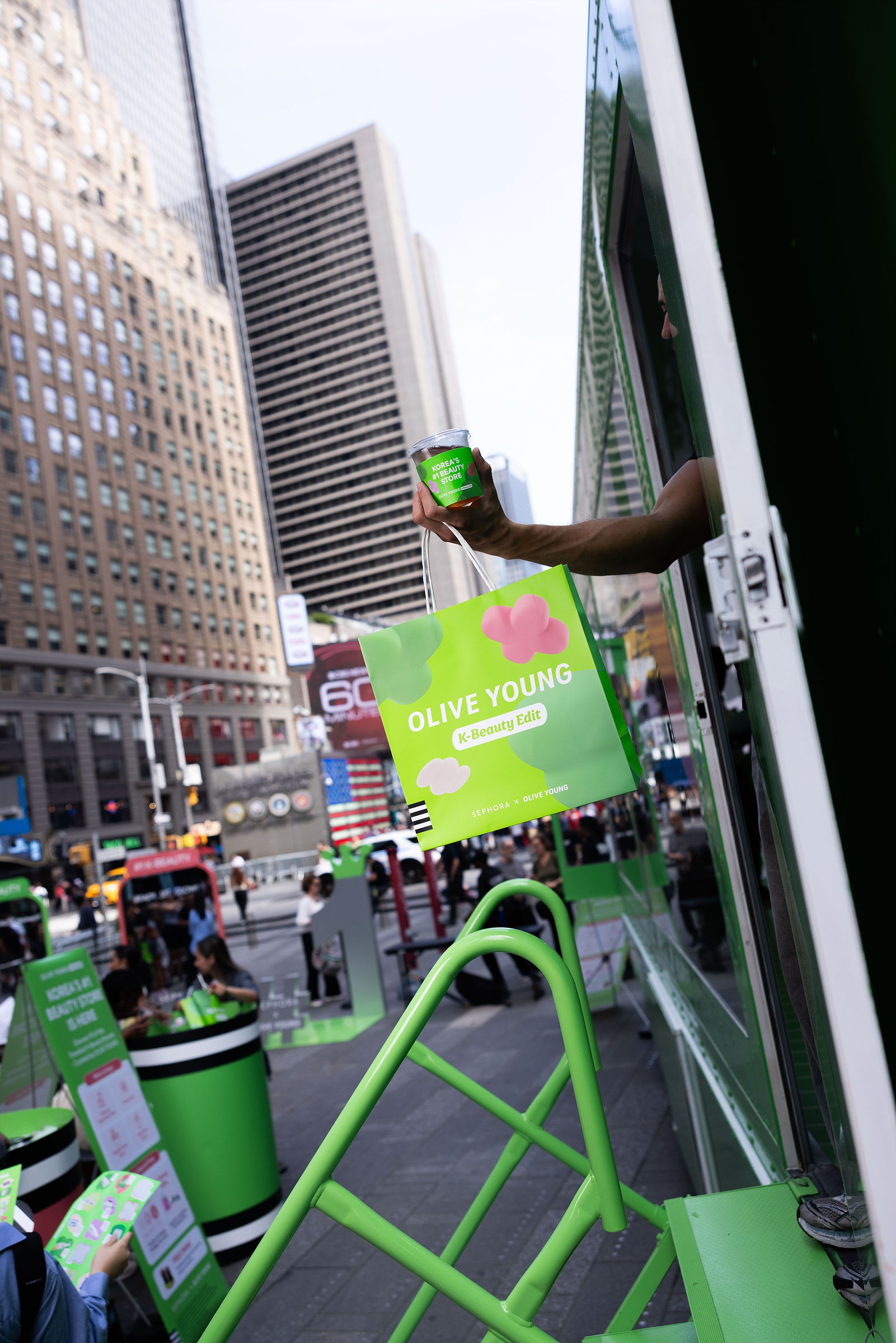
Launched August 20 across more than 500 Sephora stores in the United States and on Sephora’s online store, the OLIVE YOUNG K-beauty Edit featured curated products from 19 K-beauty brands. A dedicated display was also set up at Sephora’s Times Square location in New York.
The partnership brings Korean beauty brands that have earned the trust of local consumers into a familiar shopping environment for American customers. While OLIVE YOUNG’s own stores offer a more immersive experience across a broad assortment of products and services, the Sephora partnership extends its curation to a wider geographic area and a broader customer base.
FESTA, physical stores, the online store, and retail partnerships each serve a distinct purpose, creating more opportunities for consumers to discover and purchase Korean beauty products.
Beyond skincare: Expanding into more areas of everyday life
Further growth may also come from expanding into new product categories. According to Numerator, skincare accounted for 91% of U.S. K-beauty sales, making it the category's clear stronghold. At the same time, the figures suggest there is room to build consumer interest and trust in other areas of beauty and wellness.
OLIVE YOUNG offers a range of categories in the United States, from skincare and makeup to haircare and wellness. This gives shoppers who arrive looking for familiar favorites the opportunity to discover other brands and product categories along the way. NIQ likewise identified adjacent categories, including haircare and wellness, as potential avenues for future K-beauty growth in its analysis this year.
Turning that potential into sustained growth will depend on the customer experience. Brands need to offer products that fit local preferences and lifestyles, create opportunities for consumers to try them, and make it easy to purchase favorite products again.
The next phase of K-beauty's growth in the United States will be shaped by how consistently these experiences translate into everyday habits. A product discovered through Korean beauty culture becomes part of a consumer's routine when it meets a real need and earns a place in daily life.
OLIVE YOUNG is expanding the touchpoints that connect brands with consumers, helping bridge the gap between discovering K-beauty and making it part of everyday life.