What is K-beauty? Why Korean skincare is taking over global beauty trends
 6min
6min
 AI Summary
This summary was generated by AI. Please refer to the full article for accuracy.
AI Summary
This summary was generated by AI. Please refer to the full article for accuracy.
K-beauty has evolved from a term for South Korean beauty products into a global lifestyle movement shaped by innovation, self-expression, and everyday wellness. Social media, product performance, innovative formulations, and accessible pricing have fueled its growth. OLIVE YOUNG is helping Korean brands reach global consumers, with strong demand from the United States.
K-beauty is a broad term used to describe beauty products and the beauty industry originating from South Korea. But today, K-beauty represents far more than just skincare or cosmetics made in Korea. Alongside the global rise of K-pop, K-food, and Korean culture itself, K-beauty has evolved into a worldwide lifestyle movement shaped by innovation, self-expression, and everyday wellness.
Consumers around the world are increasingly drawn not only to Korean beauty products themselves, but also to the philosophies behind them — approachable self-care, trend-driven innovation, and personalized routines that fit naturally into daily life.
Why is K-beauty so popular?
The rapid growth of K-beauty has been fueled largely by social media and digital communities. Platforms like TikTok, Instagram, Reddit, and YouTube have helped Korean beauty products spread organically through reviews, tutorials, and viral recommendations.
But virality alone does not sustain long-term consumer interest. K-beauty has earned global attention because consumers recognize strong product performance, innovative formulations, and accessible pricing. Korean beauty brands are especially known for combining high-quality ingredients with trend-conscious packaging and fast product development cycles.
Korean sunscreens and skincare products, in particular, have become category leaders among global consumers. Lightweight textures, layering-friendly routines, and ingredient-focused formulations have helped Korean skincare stand out in an increasingly educated beauty market.
Another defining characteristic of the Korean beauty industry is speed. Korean consumers respond quickly to trends, product launches, and ingredient innovation, creating an environment where brands continuously evolve and improve. This highly responsive market has become one of the driving forces behind K-beauty’s global competitiveness.
As global media outlets increasingly spotlight the phenomenon, K-beauty is no longer viewed simply as a regional trend, but as an influential force shaping the future of beauty culture worldwide. As global media outlets increasingly spotlight the phenomenon, K-beauty is no longer viewed simply as a regional trend, but as an influential force shaping the future of beauty culture worldwide. In CNN’s K-Everything documentary series on K-beauty, released on HBO Max on May 9, OLIVE YOUNG was featured as one of Korea’s leading beauty retail platforms helping drive the global expansion of Korean beauty and wellness culture.
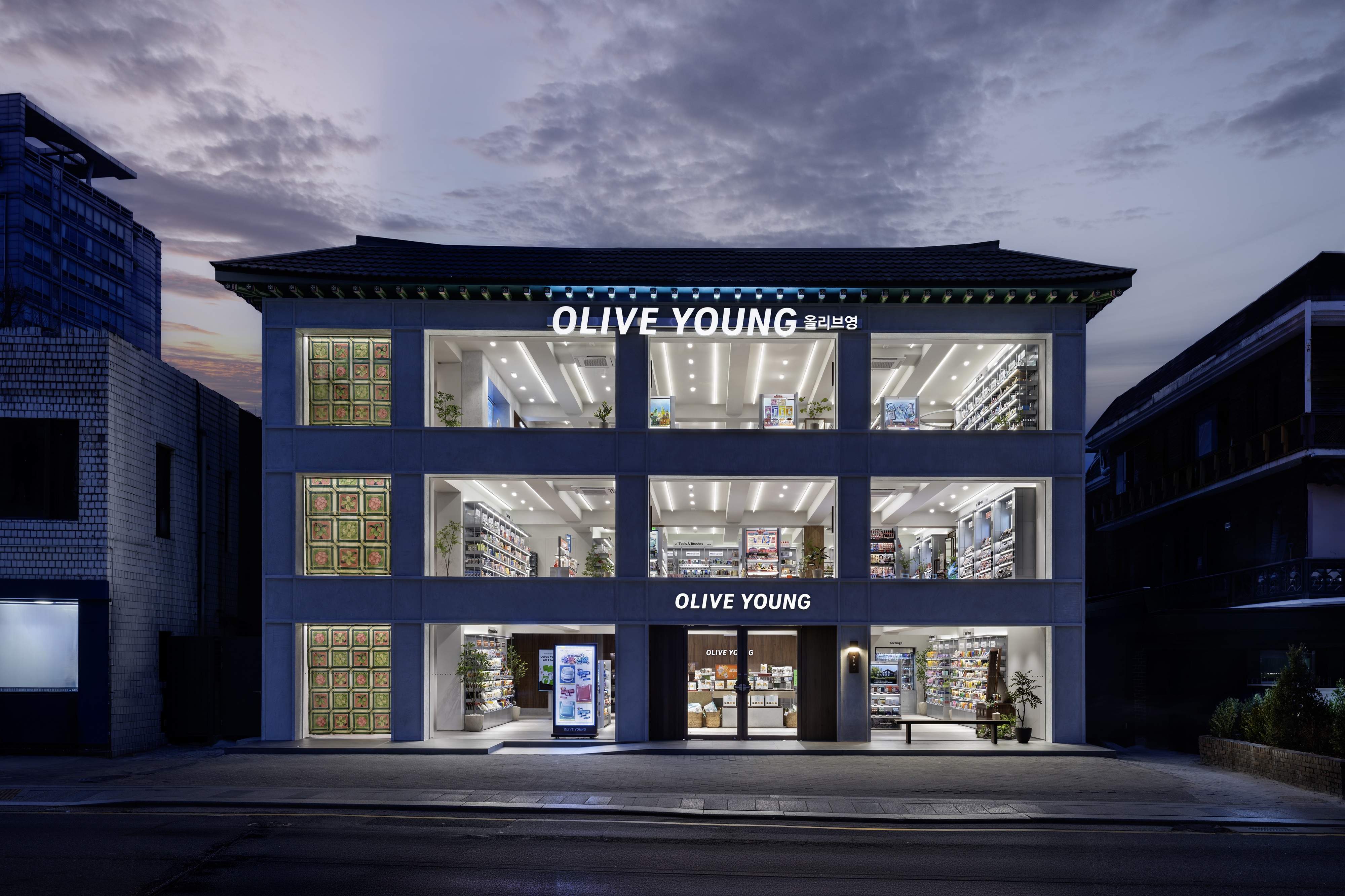
Who is OLIVE YOUNG?
Founded over 27 years ago, OLIVE YOUNG has grown into Korea’s leading beauty and health retailer, helping shape the growth of the K-beauty industry through both online and offline retail experiences.
OLIVE YOUNG is widely recognized for curating fast-changing beauty and wellness trends while supporting the growth of emerging Korean brands. By connecting consumers with accessible discovery experiences and innovative products, the company has played a meaningful role in introducing many Korean beauty brands to mainstream audiences.
Last year, six beauty brands sold through OLIVE YOUNG each surpassed KRW 100 billion (approximately USD 70 million) in annual sales on the platform — double the number from the previous year. Among them, MEDIHEAL became the first partner brand in OLIVE YOUNG history to exceed KRW 200 billion in annual sales. The milestone highlights OLIVE YOUNG’s role not only as a retailer, but as a growth platform helping emerging K-beauty brands scale into mainstream consumer brands.
Today, OLIVE YOUNG continues to expand beyond traditional beauty categories into wellness and lifestyle, reflecting the evolving needs of modern consumers. Guided by its philosophy of “All Live Young,” the company aims to support healthier, more enjoyable everyday routines through curated products and experiences.
Why is OLIVE YOUNG expanding in the U.S.?
OLIVE YOUNG has become one of the most visited K-beauty shopping destinations among international visitors to Korea. Non Korean customers now account for more than 25% of total sales, with approximately 5.96 million foreign customer transactions recorded.
At the same time, the company’s global e-commerce platform OLIVE YOUNG Global has seen especially strong demand from the United States, which represents more than half of global mall sales. These insights have helped OLIVE YOUNG better understand the evolving needs of American consumers and the growing mainstream appeal of K-beauty in the U.S. market.
More importantly, K-beauty itself is evolving.
Today, K-beauty is no longer defined only by geography or nationality. Instead, it increasingly represents a personal journey of discovering what works for you, understanding your skin, your lifestyle, and your identity. Consumers are seeking products that feel approachable, effective, and aligned with who they are.
In that sense, K-beauty has become less about where a product comes from, and more about how beauty can feel more accessible, personalized, and connected to everyday life.