The meal in a pouch: Upgrading daily protein into a delicious daily ritual
 8min
8min
 AI Summary
This summary was generated by AI. Please refer to the full article for accuracy.
AI Summary
This summary was generated by AI. Please refer to the full article for accuracy.
Protein shakes are becoming everyday meal replacements, with OLIVE YOUNG’s pouch-type sales more than doubling from January through July this year and about four million private-label products sold. Delight Project and All The Better use a 50:50 blend of plant- and animal-based proteins but differ in toppings, nutrition and functional ingredients, showing why choices should go beyond protein content.
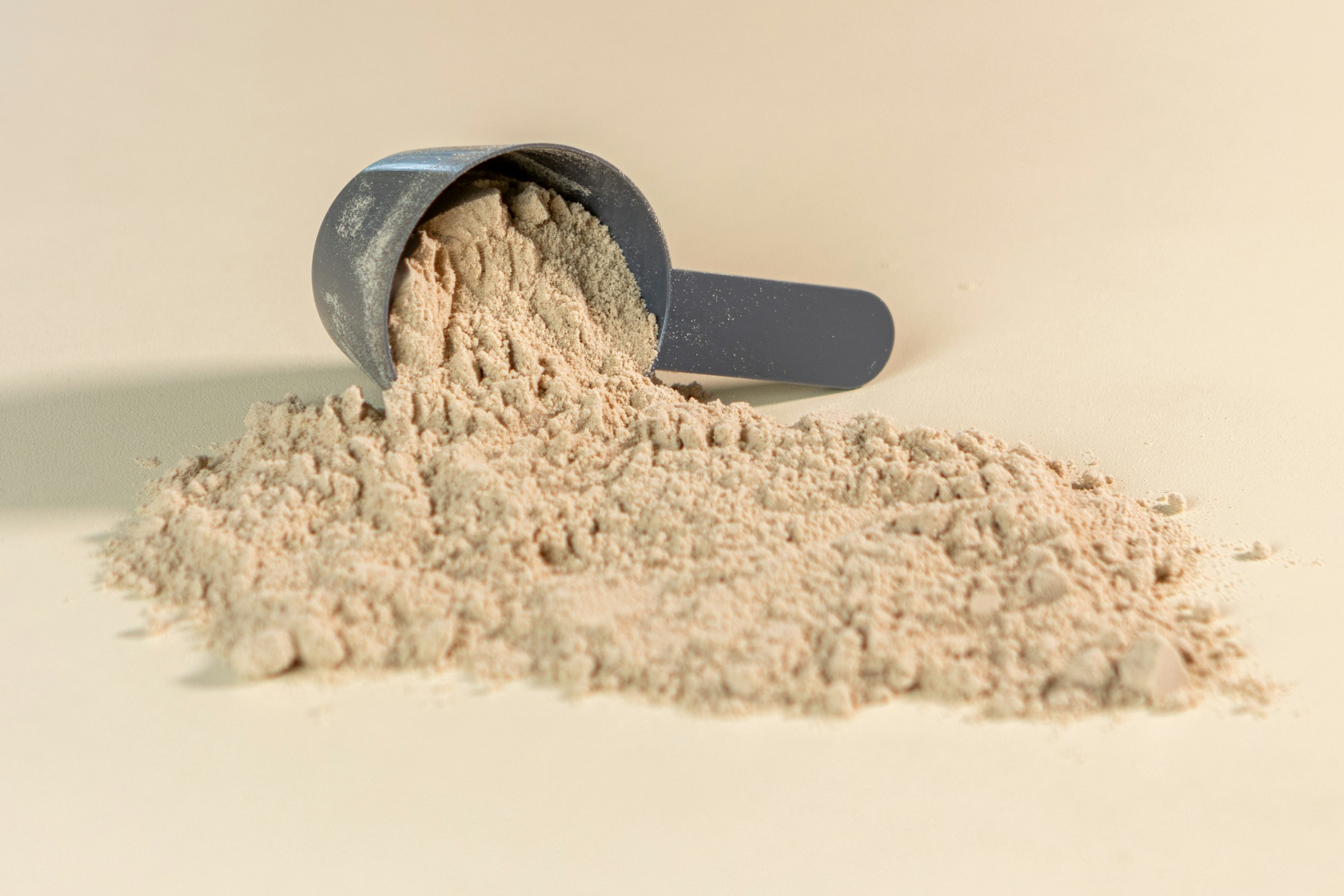
Protein shakes are becoming an increasingly common part of everyday meals.
Once sought primarily as a way to replenish protein before or after a workout, protein shakes are now increasingly being chosen as a convenient meal replacement for busy mornings and lunches.
The shift is reflected in OLIVE YOUNG’s sales. From January through July this year, sales of pouch-type protein shakes at OLIVE YOUNG more than doubled compared with the same period last year. During the same period, approximately four million protein shakes from OLIVE YOUNG’s private-label brands, Delight Project and All The Better, were sold. That translates to roughly one product every five seconds.
As the category continues to expand, the range of price points has widened as well. With ultra-low-priced products entering the market, protein shakes are becoming more accessible than ever.
But as the choices grow, so does one question: If two protein shakes contain the same amount of protein, are they essentially the same?
On most protein shakes available today, the number highlighting protein quantity (i.e., “15g of protein”) is prominently displayed on the front of the package. It offers an intuitive way to understand how much of the protein needed throughout the day a product can provide. Yet even when two products contain the same amount of protein, their formulations can differ depending on the ingredients used and the balance between plant- and animal-based proteins.
That is why it is worth looking beyond the number on the label.
Protein comes in different forms
Protein can broadly be divided into plant-based and animal-based sources, each with its own characteristics.
Plant-based protein can be incorporated into meal formulations with satiety in mind, while animal-based protein is rich in essential amino acids and offers advantages in terms of absorption and utilization by the body.
At OLIVE YOUNG, two private-label brands offer different approaches to making everyday eating both enjoyable and better for you. Delight Project introduces trendy, flavorful healthy snacks, while All The Better focuses on wellness routines that are easy and enjoyable to incorporate into everyday life.
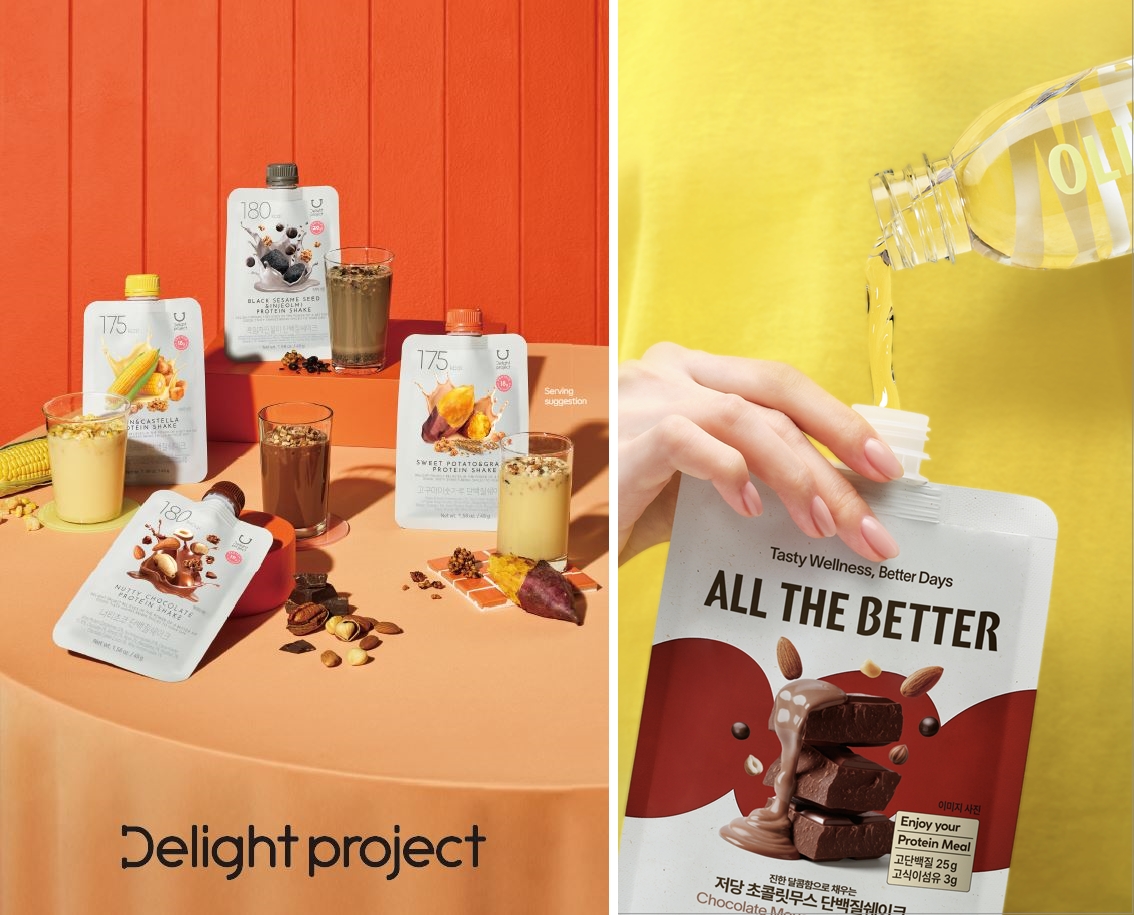
While their approaches differ, both brands share the same philosophy: not having to compromise on taste or health. That principle carries through to the basic formulation of their protein shakes. Both brands use a 50:50 blend of plant- and animal-based proteins, combining the strengths of both sources.
The choice of protein source is another important consideration. While some products have recently turned to single plant-based soy protein sources to improve price competitiveness, Delight Project and All The Better use premium protein ingredients sourced from the United States for both their plant- and animal-based proteins.
The key is not simply whether an ingredient is more or less expensive. Even when two products provide the same 20g of protein, what that protein comes from and how it is formulated can be different. As protein shakes become part of everyday, lighter meals, consumers need new criteria for choosing products that go beyond protein content to consider the ingredients and formulation as well.
From protein supplementation to designing a meal
The next question after choosing the ingredients was how to turn them into something people would actually want to eat.
Delight Project approached its protein shake not simply as a product for supplementing protein, but as a meal that can replace an everyday meal. Alongside protein powder, the brand incorporated a variety of toppings, including nuts, fruit and grains, to add texture and enhance satiety.
That is also why some products contain as many as 10 different toppings. The goal was to create more than a protein drink to offer the satisfaction of having actually eaten a meal.
All The Better took a slightly different approach to the same question.
While it shares the same 50:50 formulation of plant- and animal-based proteins, All The Better focused on building a more comprehensive nutritional and functional profile around the needs of a single meal. Its products are designed to be high in protein and dietary fiber, while selected formulations also incorporate functional ingredients aimed at helping manage post-meal blood sugar levels or ease stress associated with tension, along with BCAAs and multivitamins.
If Delight Project expands the experience of a meal through toppings, All The Better expands it into a wellness-focused meal by adding nutrition and functional benefits.
Flavor first: Making healthy habits last
A carefully designed nutritional profile does not mean putting taste second.
Protein shakes are not products people consume once and forget about. They are designed to be chosen repeatedly as part of everyday life. No matter how thoughtfully the ingredients are selected or how well the nutritional profile is designed, it is difficult to make something a lasting routine if it does not taste good. That is why both brands have taken their own approaches to flavor.
Delight Project combines dessert-inspired flavors such as Nutty Chocolate and Pistachio Chocolate with toppings including nuts and grains, creating a distinctive protein shake that is as enjoyable to chew as it is to drink.
All The Better has likewise developed familiar, everyday-friendly flavors such as Multi Berry Smoothie and Low Sugar 17 Grain Misugaru. Even wellness foods with functional benefits ultimately need to be something people reach for again and again before they can become part of an everyday routine.
Ingredients, nutrition, satiety and taste. These are all factors worth considering when looking at a protein shake, not simply in terms of “how many grams of protein?” but as a meal you may choose to have every day.
Beyond the label: The future of everyday meals
As the protein shake market continues to grow, consumers are gaining more choices at a rapid pace. The increasing availability of reasonably priced products and the convenience of getting more protein into everyday life are undoubtedly positive developments.
But with more choices comes an opportunity to look beyond protein content and consider the ingredients that go into a meal and how it has been designed. When it is something you may have every day, it may be worth looking beyond the number on the label.