The technology connecting 1,300 stores and an app with 10 million monthly users
 16min
 AI Summary
This summary was generated by AI. Please refer to the full article for accuracy.
At OLIVE YOUNG’s first tech conference, define:OMNI, the company outlined its unified commerce platform connecting more than 1,300 stores, a mobile app with over 10 million monthly active users, and integrated backend systems. The event highlighted seamless fulfillment, AI-powered shopping and employee tools, and a connected journey spanning Korea, the United States, and Global Mall customers.
Defining the next chapter of retail at OLIVE YOUNG’s first tech conference, ‘define:OMNI’
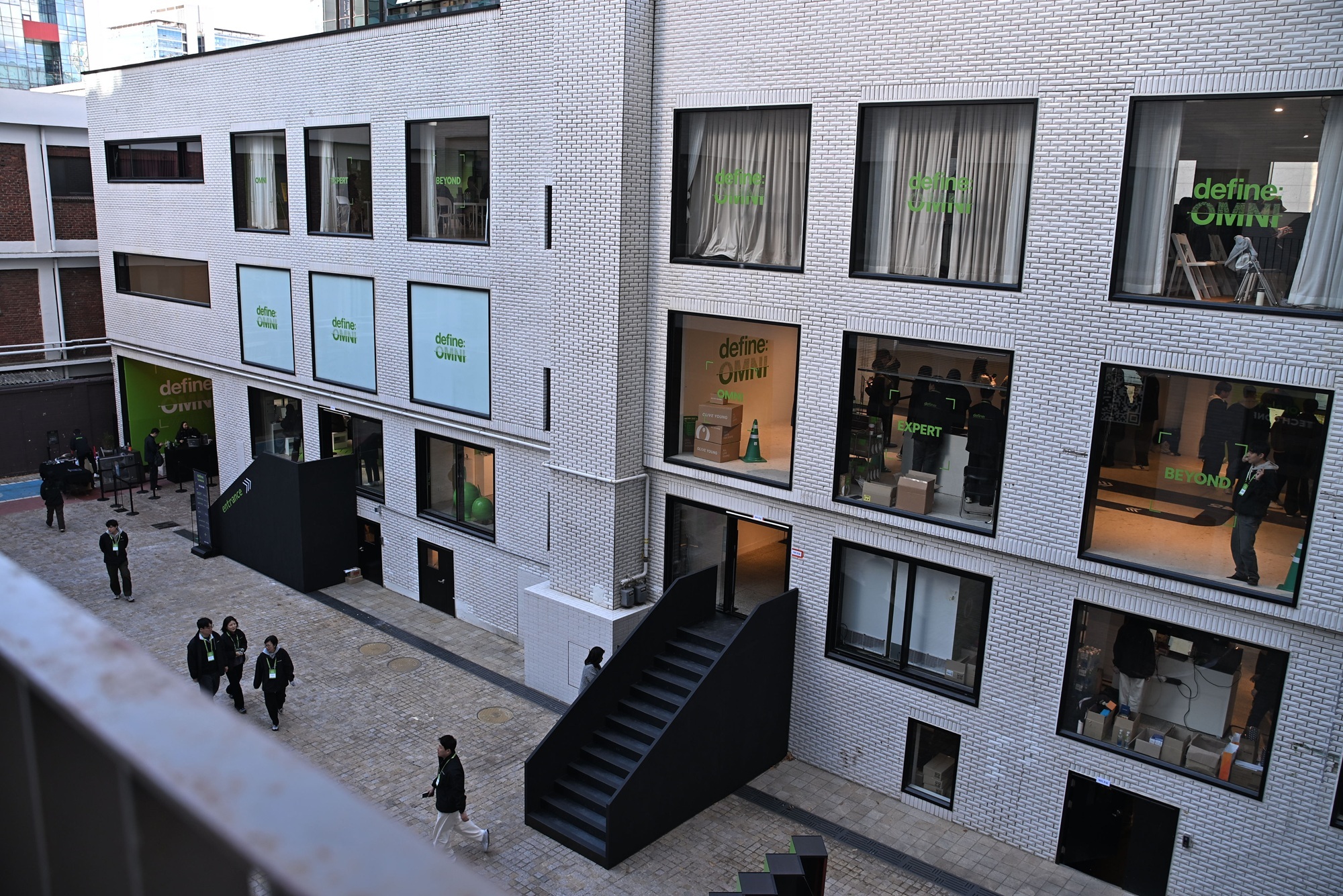
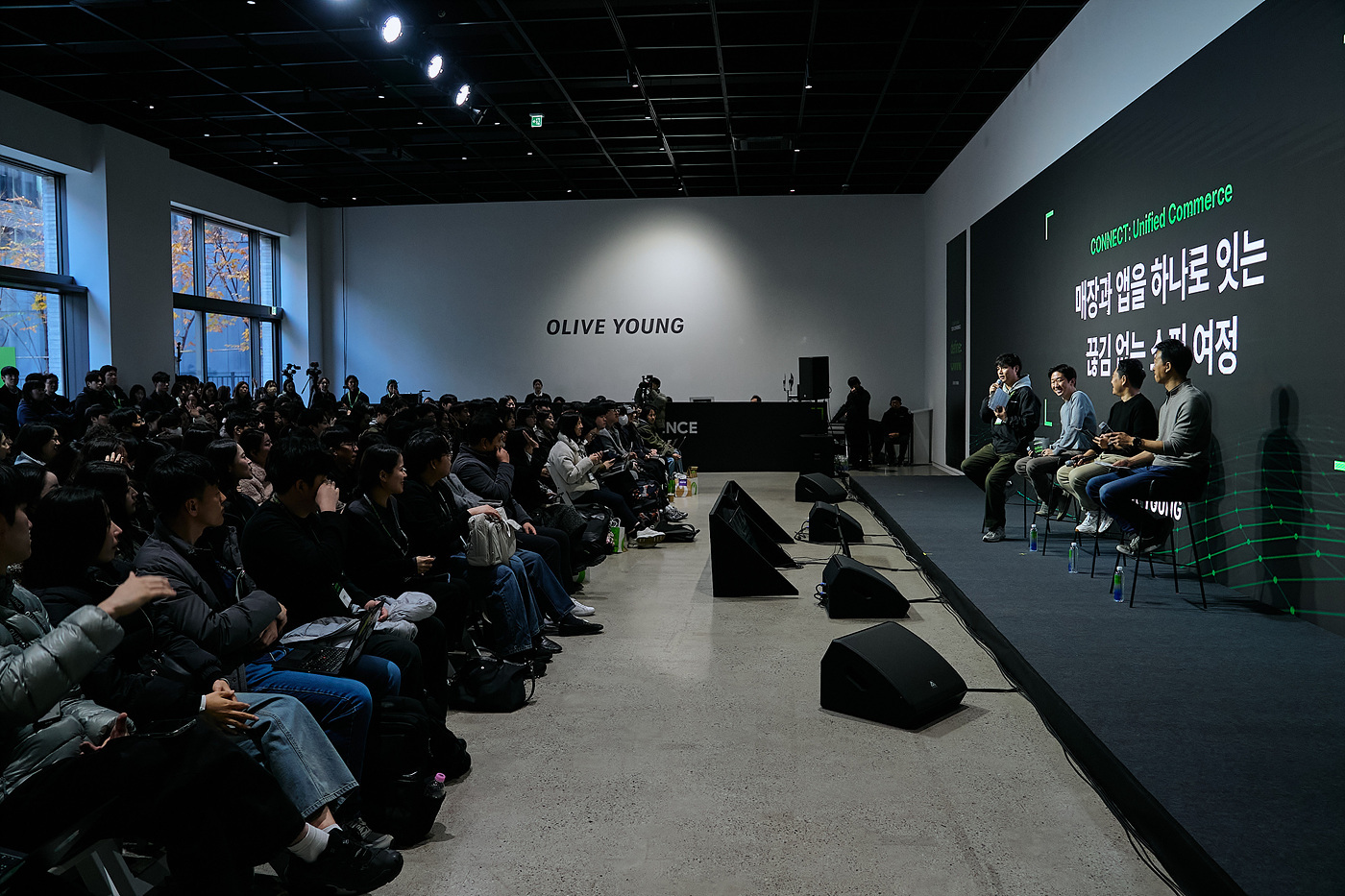
On November 19, an unfamiliar scene unfolded in Seoul’s Seongsu neighborhood. At a cultural venue accustomed to hosting pop-up stores, screens displayed system architecture diagrams tracing the flow of data rather than product images.
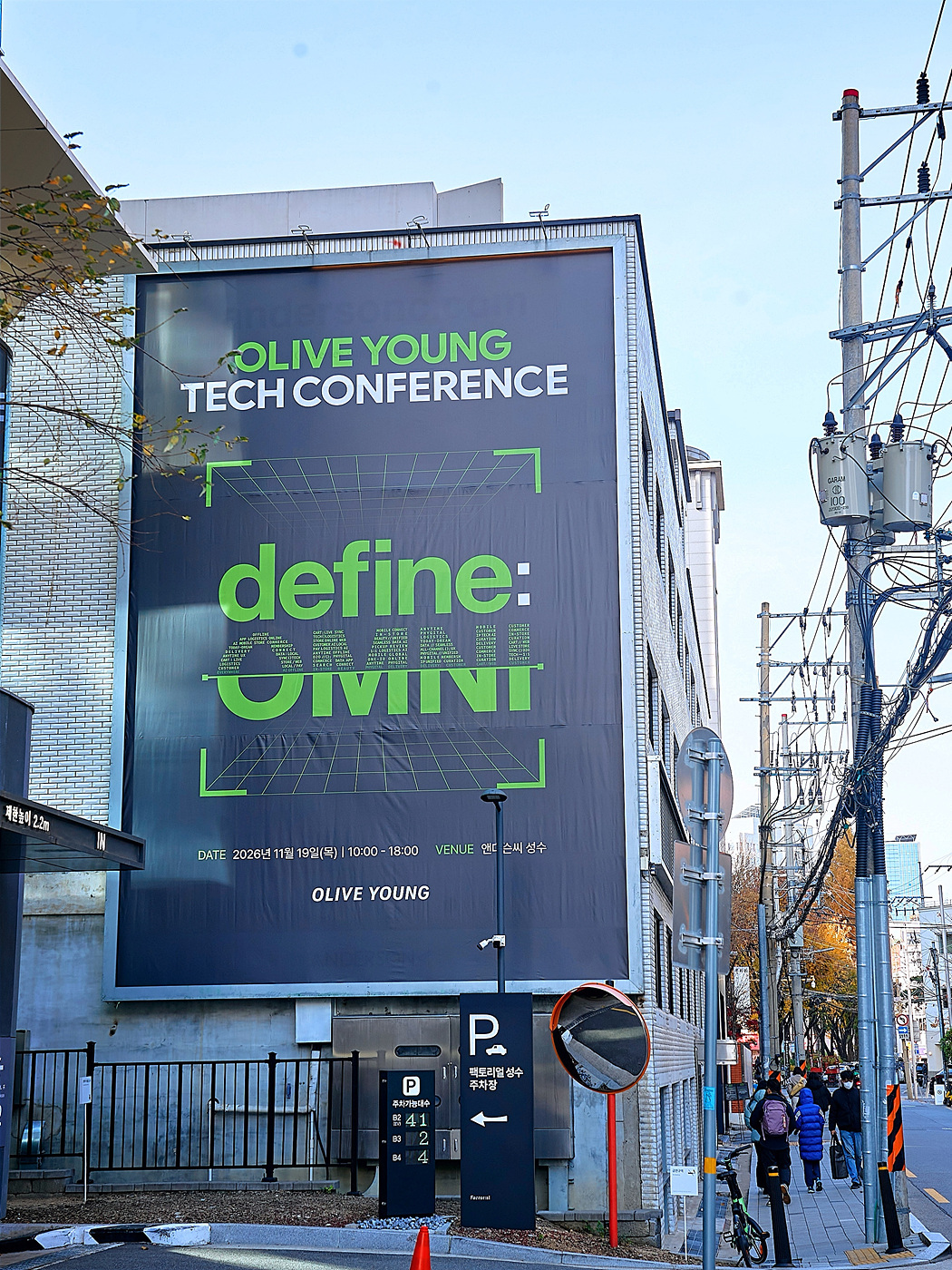
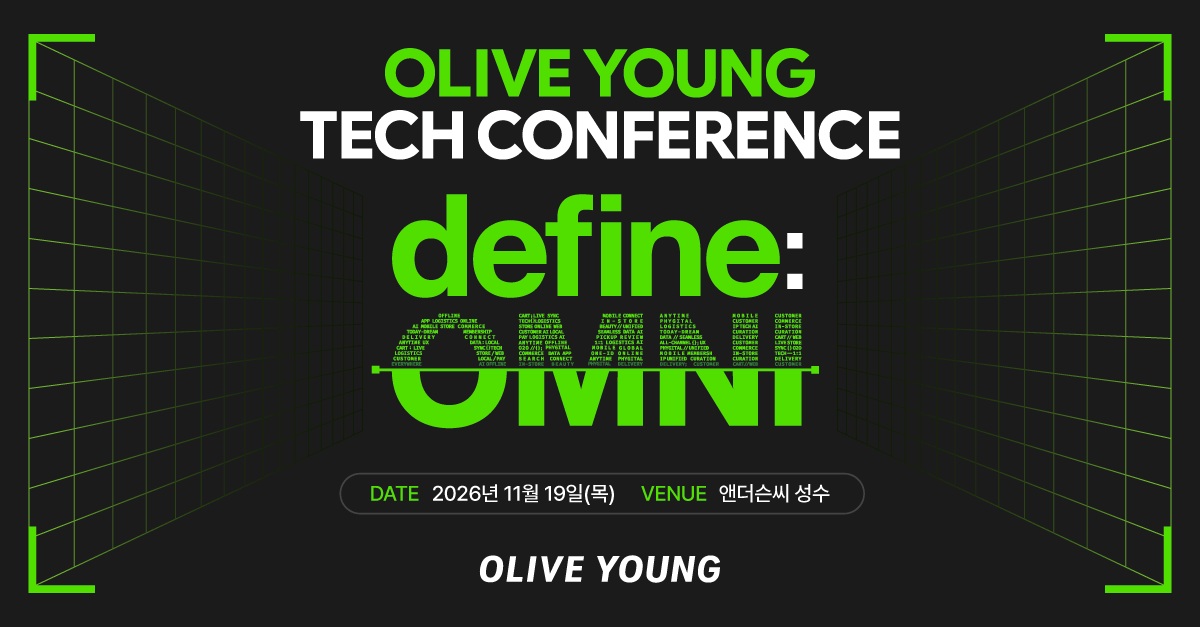
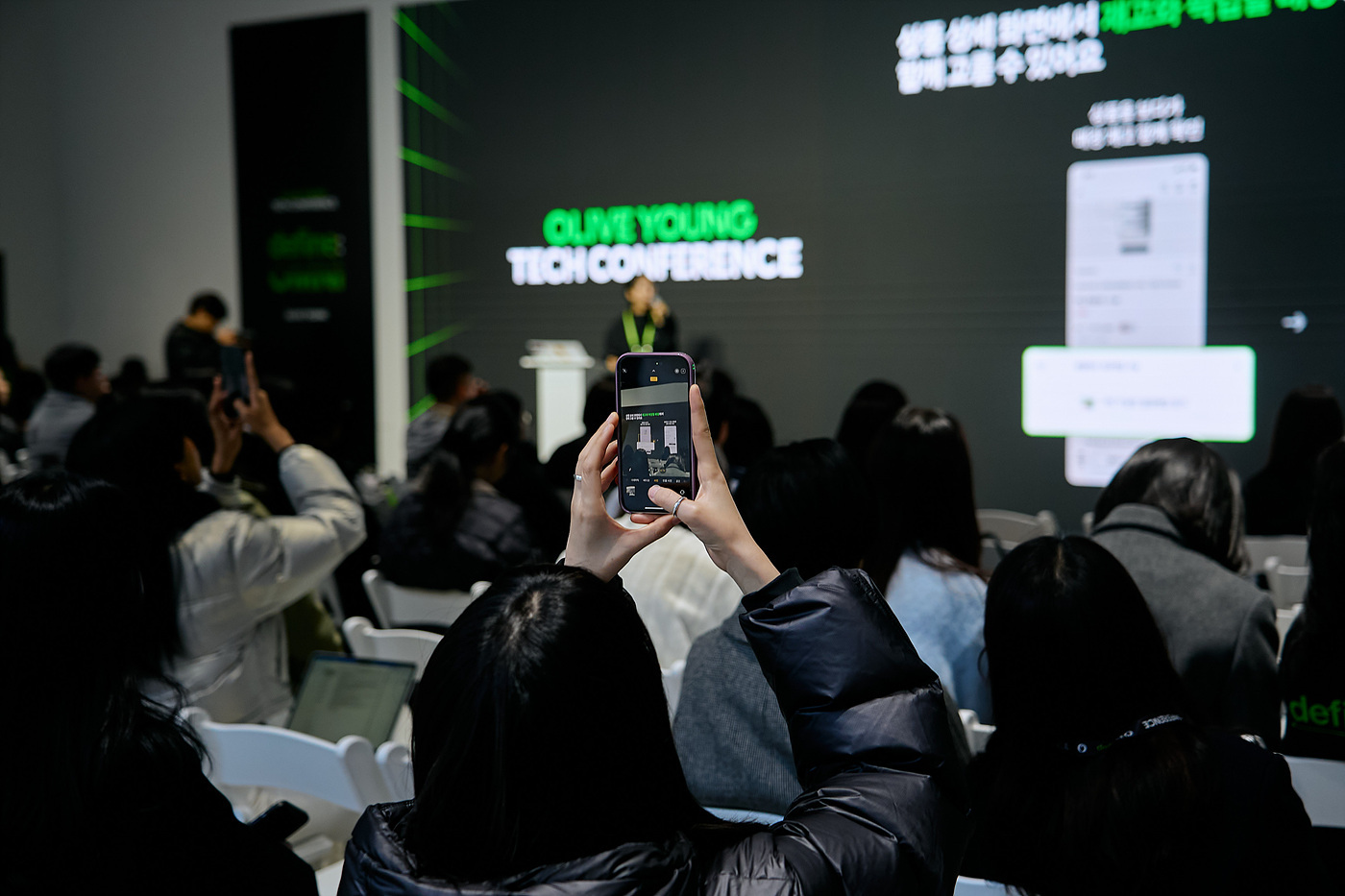
This was the scene of ‘define:OMNI,’ OLIVE YOUNG’s first-ever tech conference. With speakers including Rajan Manickavasagam, Senior Architect at Google, and Stephen Kim, Hed of Korea at Palantir Technologies, the event brought together professionals from across the technology sector.
OLIVE YOUNG operates more than 1,300 physical stores across South Korea, a mobile app with over 10 million monthly active users (MAU), and a membership program with 18 million members. What technology powers this extensive online and offline ecosystem, and what does OLIVE YOUNG envision for the next chapter of shopping?
Beyond omnichannel: Toward unified commerce
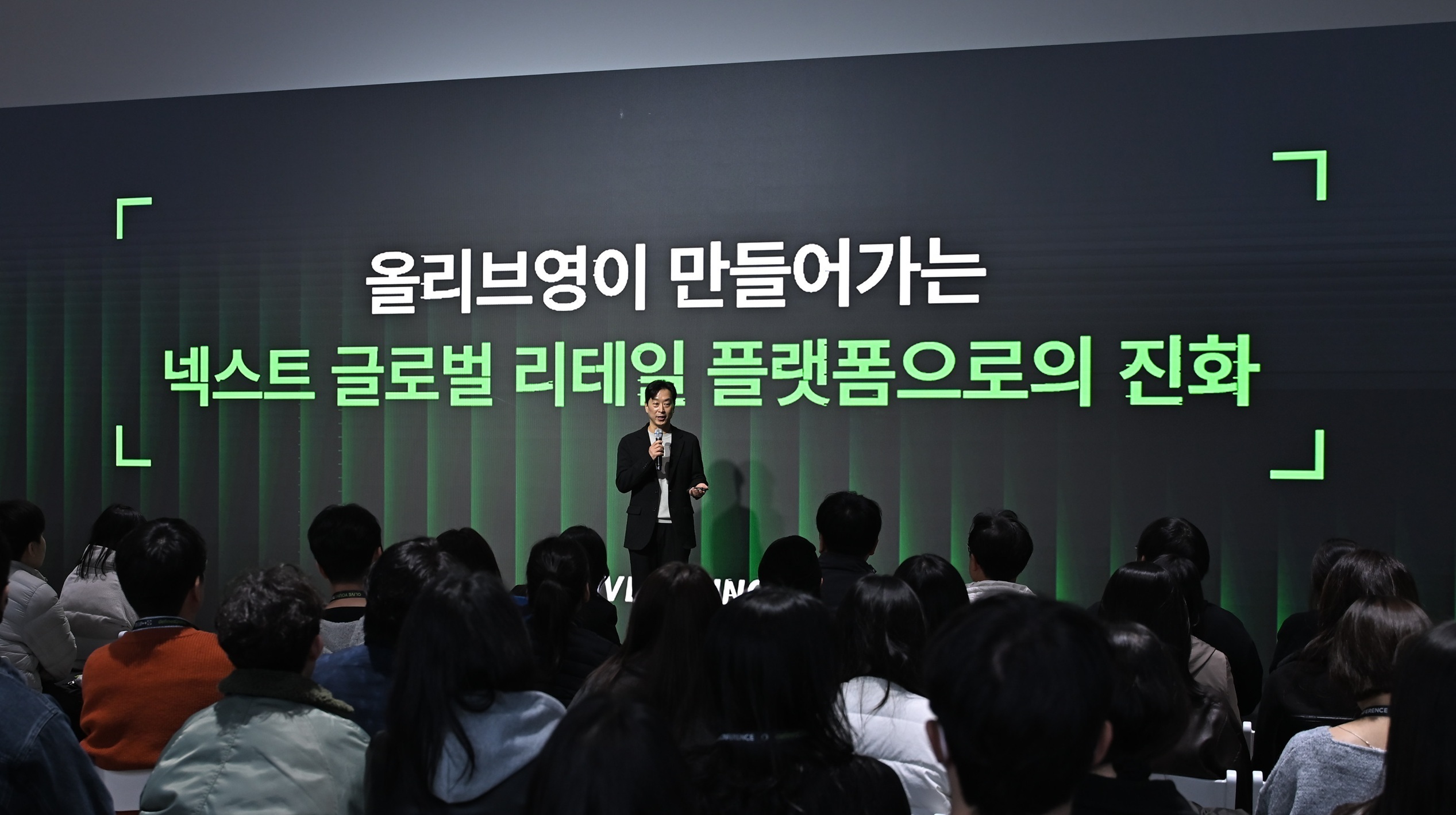
Opening the conference with a keynote, Jinhee Lee, Head of Platform Business at OLIVE YOUNG, highlighted the changing retail landscape. According to South Korea’s Ministry of Trade, Industry and Energy, online sales as a proportion of major retailers’ total sales rose from 52.1% in 2022 to approximately 59% in 2025. As online shopping becomes the norm, the role of physical stores is also being redefined.
Against this backdrop, OLIVE YOUNG has set its sights on becoming a unified commerce platform. While traditional omnichannel retail focuses on connecting previously separate online and offline customer experiences, unified commerce takes this a step further by fully integrating every channel, including the underlying backend systems.
A customer’s in-store purchase history and browsing activity on the mobile app are stored in a single database. Inventory across the entire business is also managed through a unified system. With accurate visibility into which products are available at each store and in what quantities, customers can find the products they want, choose how to receive them, and access consistent, highly personalized recommendations across every touchpoint.
Achieving this, however, is far from simple. Hwan Kim, Head of OLIVE YOUNG’s Tech Platform Center, identified inventory management as one of the most challenging areas. Accurately reconciling inventory recorded through in-store point-of-sale (POS) systems with online inventory is essential to delivering on customer expectations. Connecting these systems while maintaining data accuracy, he explained, has been a core technological capability. OLIVE YOUNG has also worked to standardize product information, including naming conventions and data rules that previously differed across its online, offline, and global operations.
Integration extends far beyond the customer-facing interface. Store-level inventory, product displays, delivery, and supply chain management all operate on a single platform. Connecting OLIVE YOUNG’s extensive business operations, from online and offline retail in Korea to global cross-border commerce and B2B, is its supply chain management (SCM) system, which serves as the circulatory system keeping the entire ecosystem running.
We are evolving beyond a traditional brick-and-mortar retailer into an innovative platform company. The platform OLIVE YOUNG envisions is a unified commerce platform where every channel and backend system is fully integrated.”
— Jinhee Lee, Head of Platform Business at OLIVE YOUNG
Technology that customers barely notice
For OLIVE YOUNG’s tech and product teams, the guiding principle behind technology is clear: not to showcase technological sophistication, but to create a shopping experience so seamless that customers barely notice the friction it has removed.
One example is the recently introduced unified shopping cart. Previously, customers had separate shopping carts for OLIVE YOUNG’s same-day delivery service, in-store pickup, and standard parcel delivery. Switching an item from standard delivery to same-day delivery required adding it to a different cart. Today, customers can simply change their preferred fulfillment option within a single shopping cart.
It may seem like a minor improvement, but it is made possible by sophisticated backend integration that assesses online and offline inventory and logistics hubs in real time.
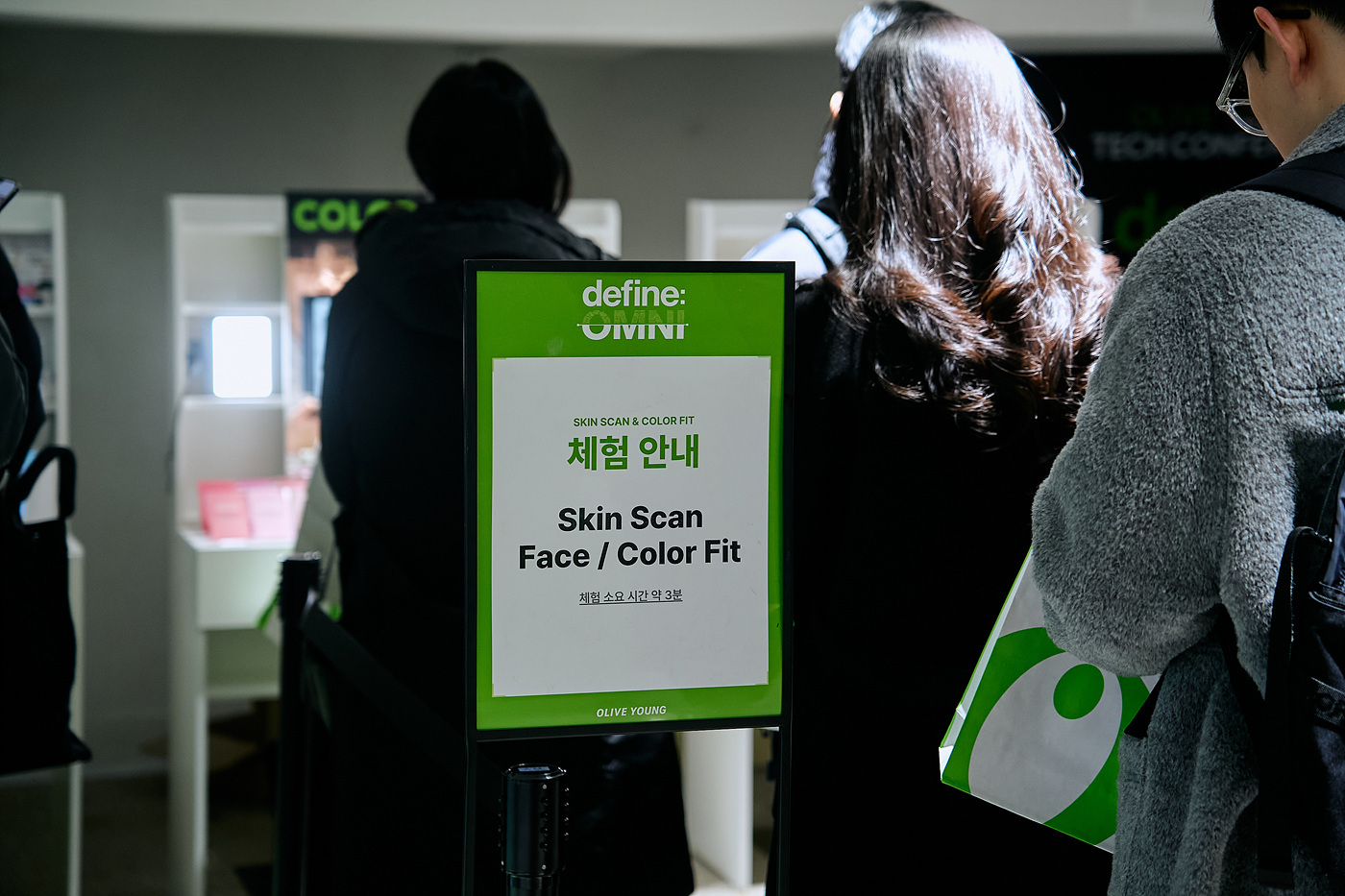
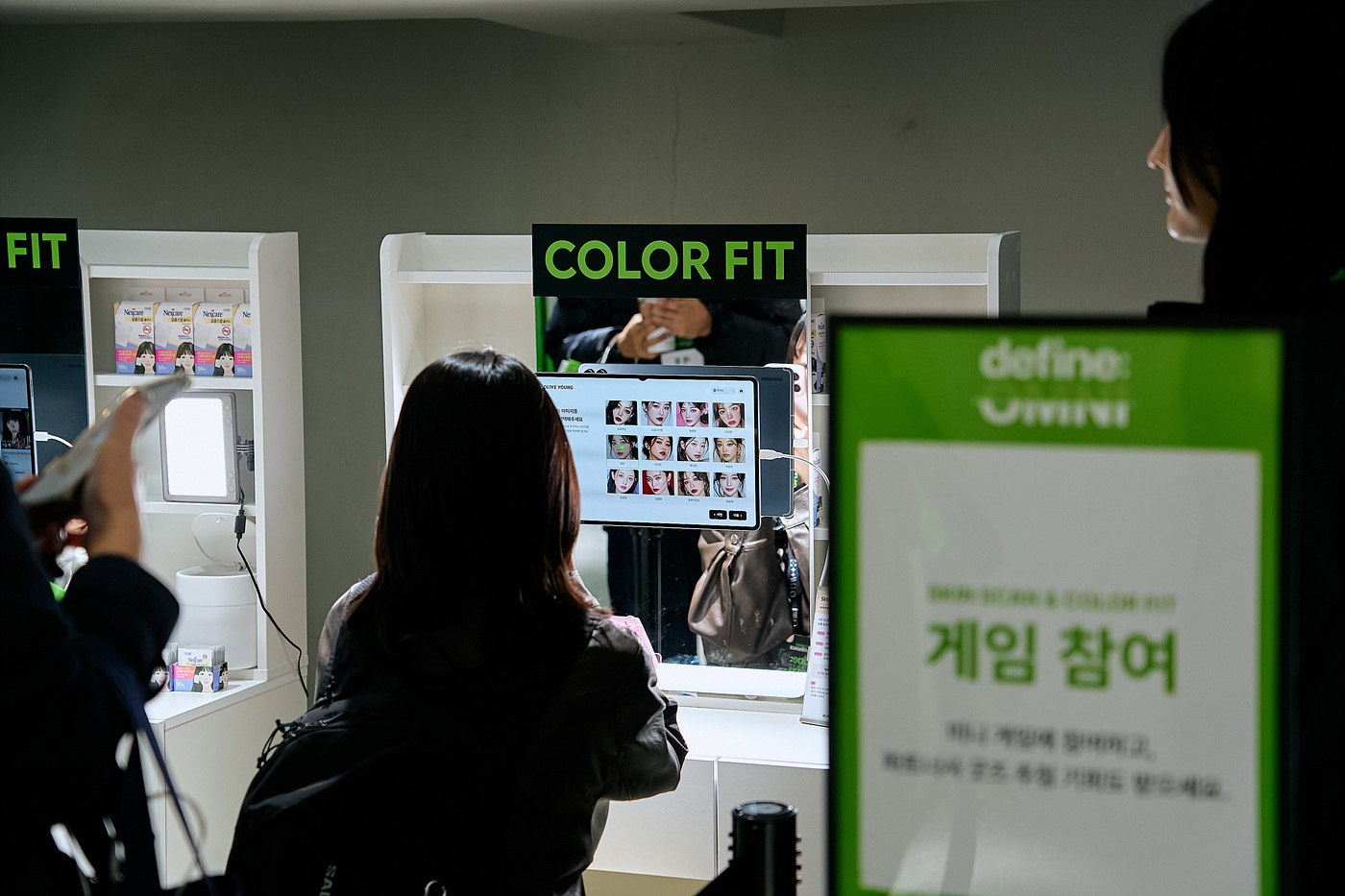
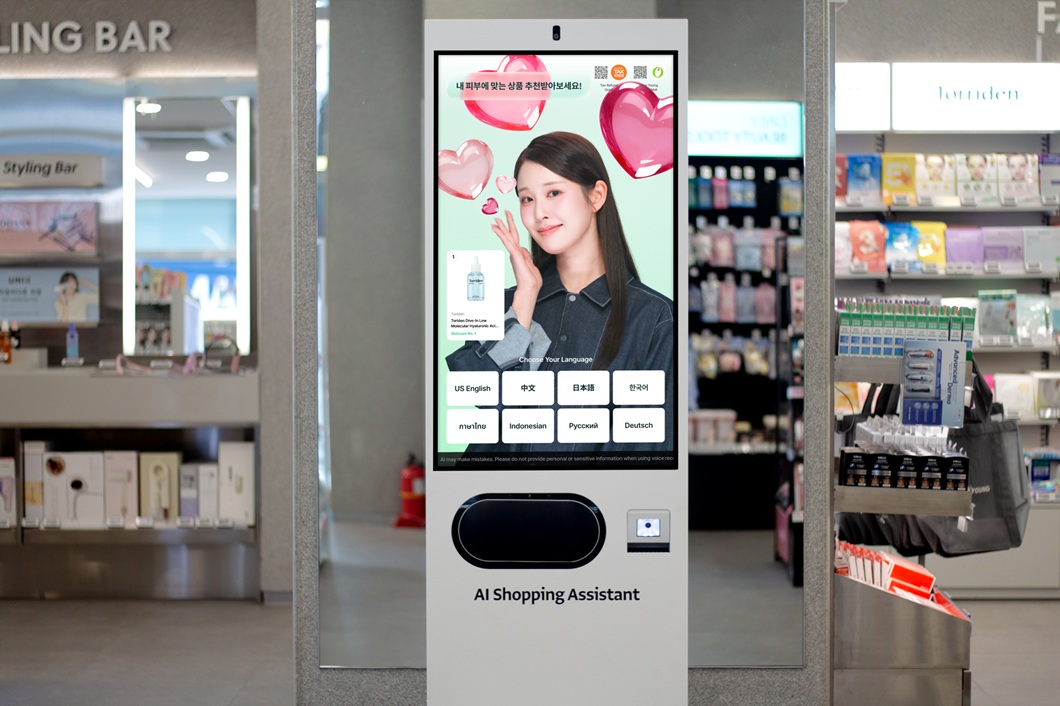
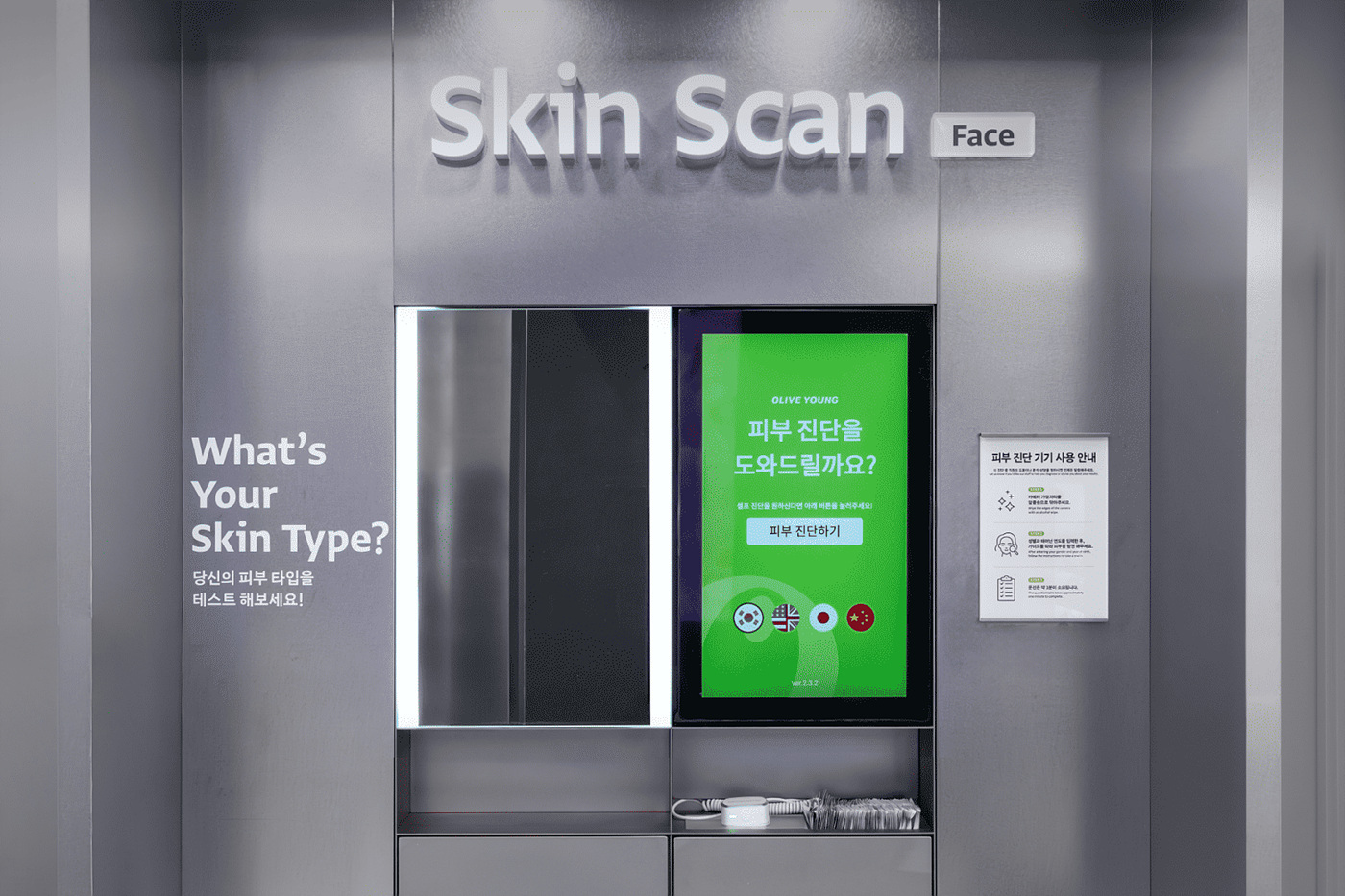
OLIVE YOUNG’s SKIN SCAN service, which has recorded more than one million skin analyses, continues to evolve as well. Originally an in-store experience where customers could have their skin analyzed using a device and receive personalized product recommendations, the service has expanded to mobile, allowing customers to analyze their skin from the comfort of their homes.
Analysis results are stored in the mobile app, helping customers discover personalized product recommendations and check in-store availability. Subsequent analyses allow customers to track changes in their skin over time, creating a continuous cycle through which recommendations become increasingly refined.
There are many different audiences to whom we need to deliver OLIVE YOUNG’s omnichannel experience. We have our stores and online mall in Korea, our U.S. stores and online mall launched in May, international customers shopping through our Global Mall, and international visitors to Korea. Our challenge is to find a way to serve all of them through a single system rather than building separate systems for every scenario. I believe the essence of integrating technology is to make the experience so seamless that customers never even realize there was an inconvenience in the first place.”
— Seunghyo Lee, Head of OLIVE YOUNG’s Product Center
Monitoring the purchase journey, minute by minute
During O.Y SALE, OLIVE YOUNG’s major promotional event held four times a year, its app and stores experience a surge in traffic and orders far beyond everyday levels. How does OLIVE YOUNG keep its services running smoothly under such pressure?
The answer lies in minute-by-minute monitoring. Rather than focusing solely on system metrics such as server uptime, OLIVE YOUNG monitors the actual customer purchase journey every minute, from browsing products and adding items to the cart to completing payment. This allows teams to identify points of friction in real time and respond immediately.
This level of stability was not achieved overnight. Rather than replacing legacy systems all at once, OLIVE YOUNG gradually upgraded individual components and distributed order processing across multiple cloud environments. Over time, the organization has repeatedly worked through the challenges of this process, learning from trial and error as it moves toward the next stage.
In many cases, engineering organizations focus exclusively on their systems. We prioritize understanding how customers are making purchases. I believe the biggest factor in building our in-house technological capabilities has been our consistent emphasis on monitoring how payments progress minute by minute and tracking conversion rates throughout the purchase funnel, from product discovery to checkout.”
— Hwan Kim, Head of OLIVE YOUNG’s Tech Platform Center
AI across the business: From how customers shop to how employees work
One topic that drew particularly strong interest throughout the conference was AI. At OLIVE YOUNG, AI is transforming both the shopping experience customers encounter and the way employees work.
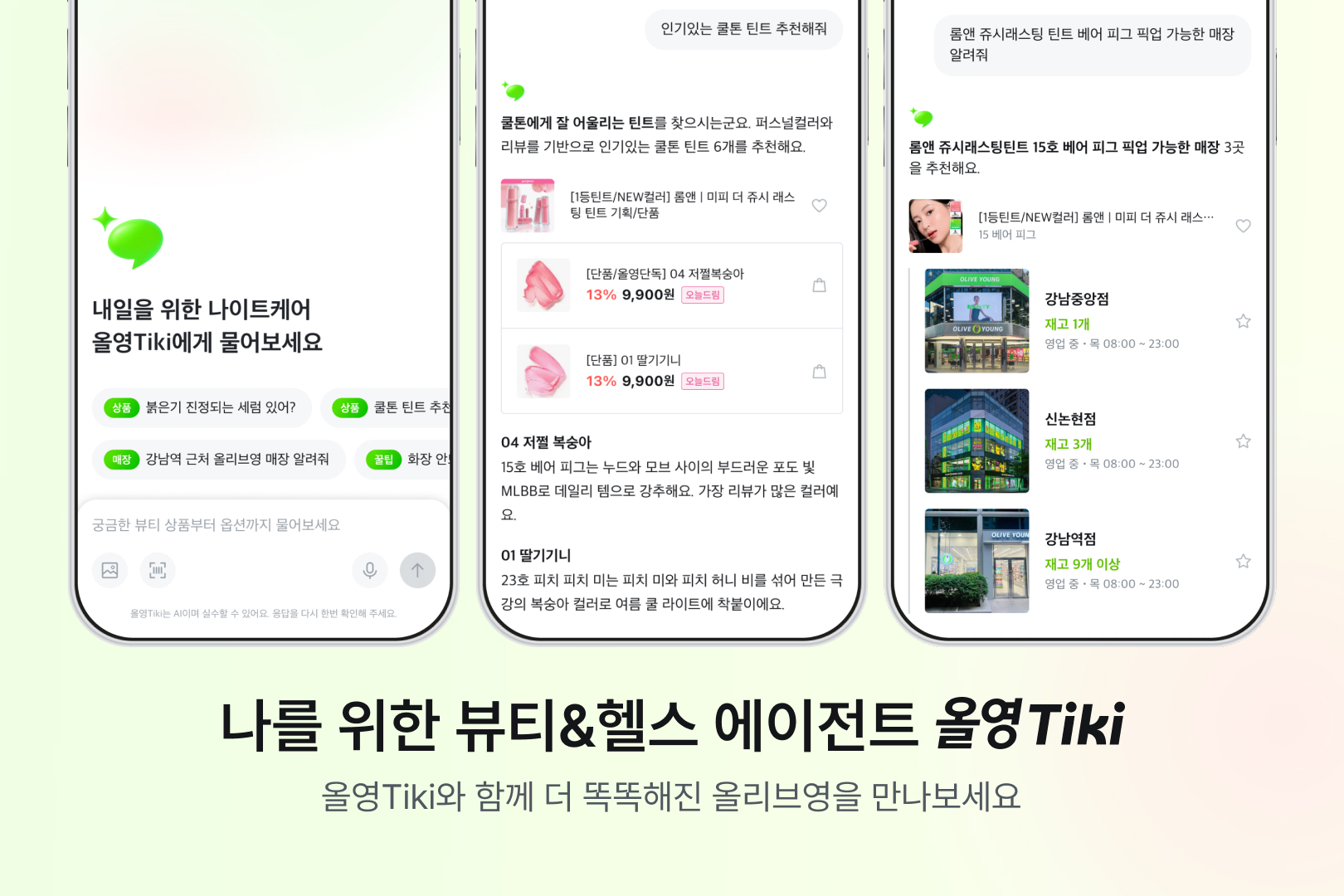
On the customer-facing side, OLIVE YOUNG has introduced O.Y Tiki, a conversational AI shopping agent. Trained on more than 47 million authentic customer reviews, alongside skin analysis data and online and offline behavioral data, O.Y Tiki is currently available to an initial group of approximately one million customers. Rather than searching for products using combinations of brand and product names, customers can describe their skin concerns and preferences in natural language, allowing AI to understand the context and recommend relevant products.
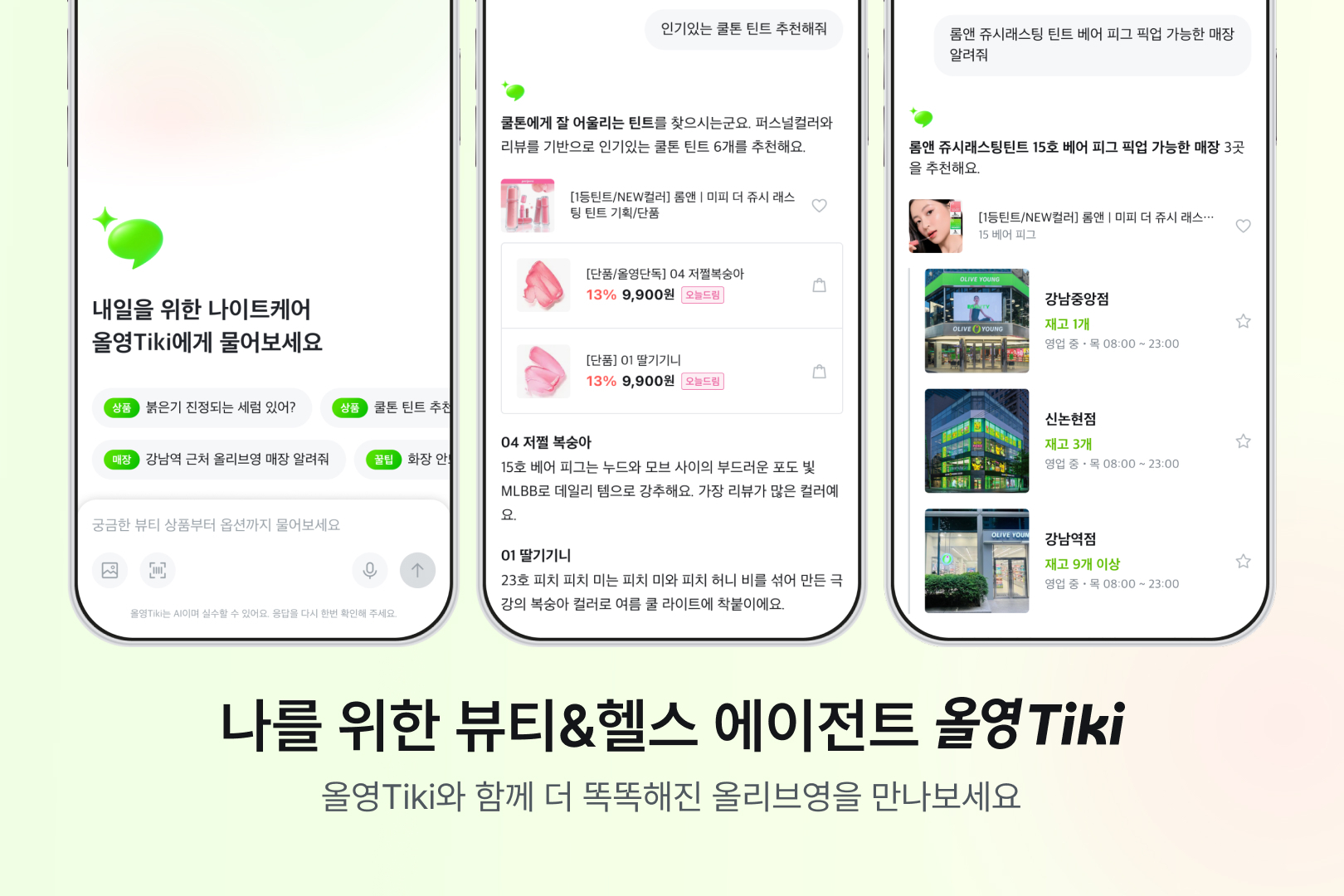
“We want to bring an end to the days of customers endlessly scrolling through product information and reviews to find what they are looking for,” said Lee. The direction he outlined is known as agentic commerce, in which AI assists customers throughout the shopping journey, from discovering, comparing, and recommending products to building a shopping cart. To support this, OLIVE YOUNG is restructuring previously fragmented data, including product information, reviews, inventory, and orders, into formats that AI can interpret and utilize.
The company also unveiled plans to integrate its product and content data with external AI platforms, with the aim of reaching customers seeking answers to beauty-related questions even when they are not using the OLIVE YOUNG app.
AI is also changing the way teams work internally. Beyond developers, product designers responsible for designing app and website interfaces and user flows, as well as UX researchers who study customer behavior, are incorporating AI into their daily work. Ideas that once required developer support can now be prototyped directly by these teams and, once their value is demonstrated, developed into official services.
Changes are also taking place in stores. Previously, staff assignments, such as who would assist customers or manage inventory at specific times, were written on whiteboards in store backrooms. Employees had to return to the backroom to check their schedules, while managers had to manually update any changes. Workplate automates this process, allowing employees to check their current assignments at a glance on a digital screen.
Connecting customers around the world through a single shopping journey
The reason behind OLIVE YOUNG’s continued investment in technology is clear: to create an uninterrupted shopping journey in which international visitors discover K-beauty at OLIVE YOUNG stores in Korea and continue shopping after returning home through a localized Global Mall or physical stores in the United States.
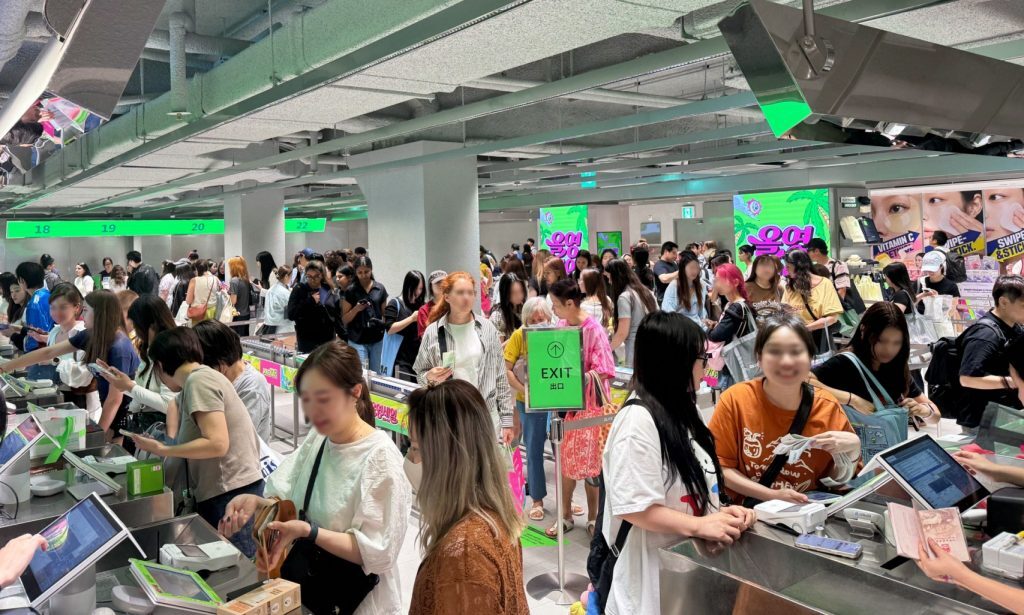
The number of international visitors to South Korea is expected to reach a record 23 million this year, while OLIVE YOUNG’s sales to inbound customers have surpassed KRW 1 trillion. Its stores across Korea have effectively become a vast showroom for K-beauty.
But the journey does not end there. International customers who visit OLIVE YOUNG stores in Korea are joining its Global Mall after returning home and continuing to make purchases. The Global Mall has surpassed six million members, with sales growing at an average annual rate of more than 70%.
The next step is to meet customers where they are. In May this year, OLIVE YOUNG opened its first U.S. store in California alongside a dedicated U.S. online mall. These new channels bring retail experiences proven in Korea, including OLIVE YOUNG’s K-beauty curation and SKIN SCAN service, to local customers.
Localization of the Global Mall is also gaining momentum. Customer preferences for website layouts and promotional formats vary by market, as do trending products. OLIVE YOUNG is strengthening its multilingual capabilities to improve the accuracy of localized product information while developing logistics systems that enable faster delivery to local customers.
Here, too, AI is accelerating the process. Previously, preparing a single product for sale in Japan, the United States, and China could require several weeks of translation and review. With AI now supporting both processes, the time needed to make product information available in local languages has been significantly reduced.
By bringing the data and omnichannel expertise we have accumulated in Korea to our global platforms, while actively incorporating AI into customer-facing shopping services, we aim to deliver a fundamentally different shopping experience. We will also continue to support K-beauty brands in reaching more customers both in Korea and abroad, enabling us to grow together.”
— Jinhee Lee, Head of Platform Business at OLIVE YOUNG
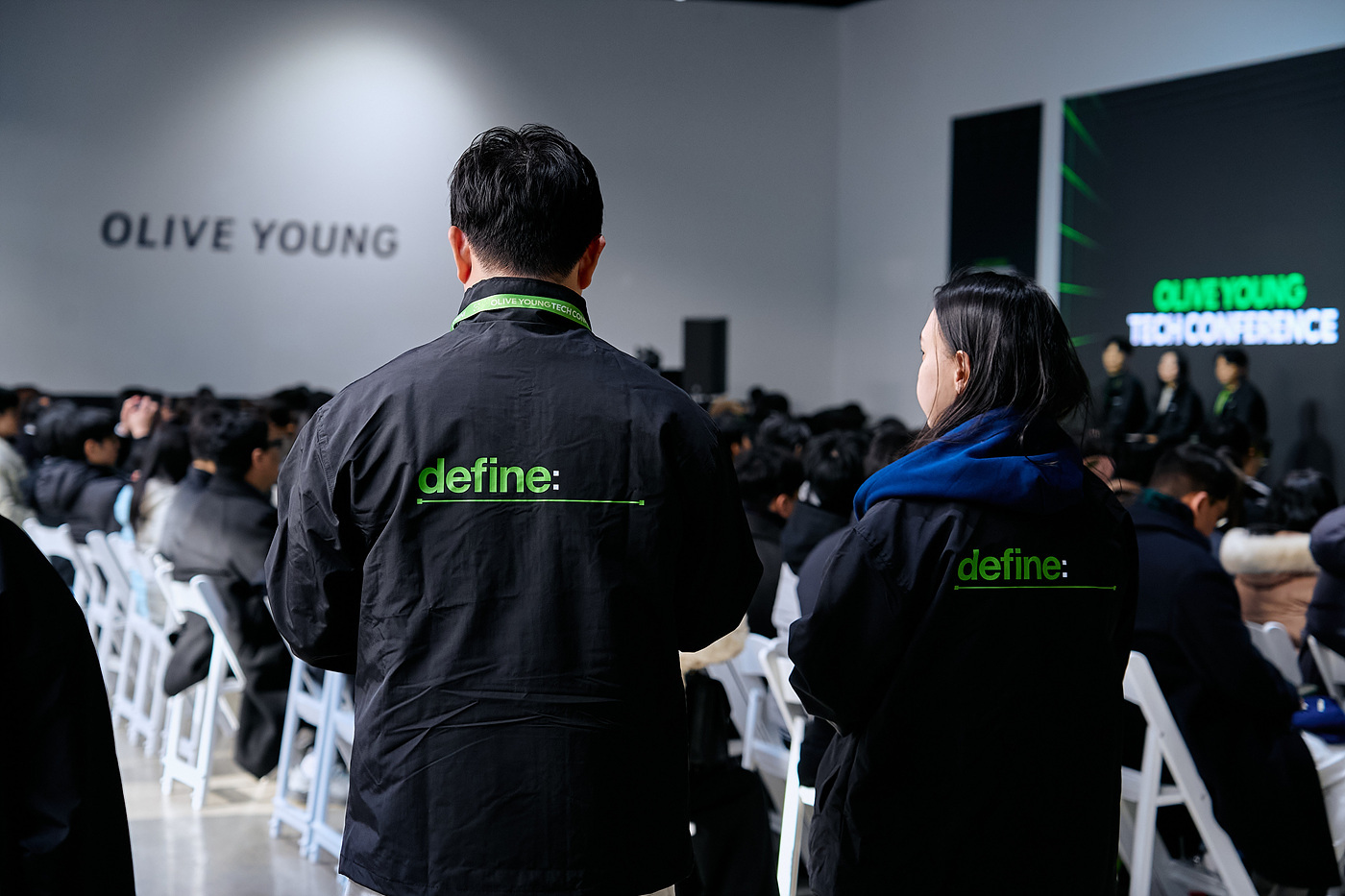
‘define’: The significance of defining the problem
Many of the sessions that followed the keynote ended with a question mark: “Why do customers look for stores on the app, only to open the app again once they are in the store?” “How can a store on the other side of the world operate as seamlessly, quickly, and reliably as one in Korea?” “If AI does everything, what do product managers do?”
These questions reflected a longstanding practice of sharing the challenges encountered throughout the development process and the approaches taken to solve them, both within and outside the organization. At define:OMNI, that practice was brought onto the conference stage.
The word ‘define’ in the conference’s name carries particular significance. Rather than presenting definitive answers, the speakers focused on defining the problems OLIVE YOUNG is working to solve. After all, there is no established blueprint for connecting physical stores and mobile apps, domestic and international markets, into a single shopping experience.
What began with a single store in 1999 has grown into a business encompassing more than 1,300 stores across Korea, a mobile app with 10 million monthly users, physical stores and a dedicated online mall in the United States, and a Global Mall delivering directly to customers around the world. By forging its own path where no predetermined answers exist, OLIVE YOUNG continues its evolution into a global omnichannel retail platform.